
Climbing Coaching and Training Resources

Your Fitness Horoscope: How Every Sign Should Exercise
Most people do not struggle with exercise because they are unmotivated. They struggle because the routine does not fit how they like to move, compete, recover, or stay engaged. That is why some people thrive on heavy lifting, while others would rather dance, hike, box, or flow through yoga.

Start Strong: Three High-Energy Breakfast Ideas For Busy Mornings
Busy mornings usually break down in one of two ways. You either skip breakfast completely and hope coffee can carry you through, or you grab something fast that tastes good for twenty minutes and then leaves you dragging before lunch. Neither option does much for your energy, focus, or consistency.
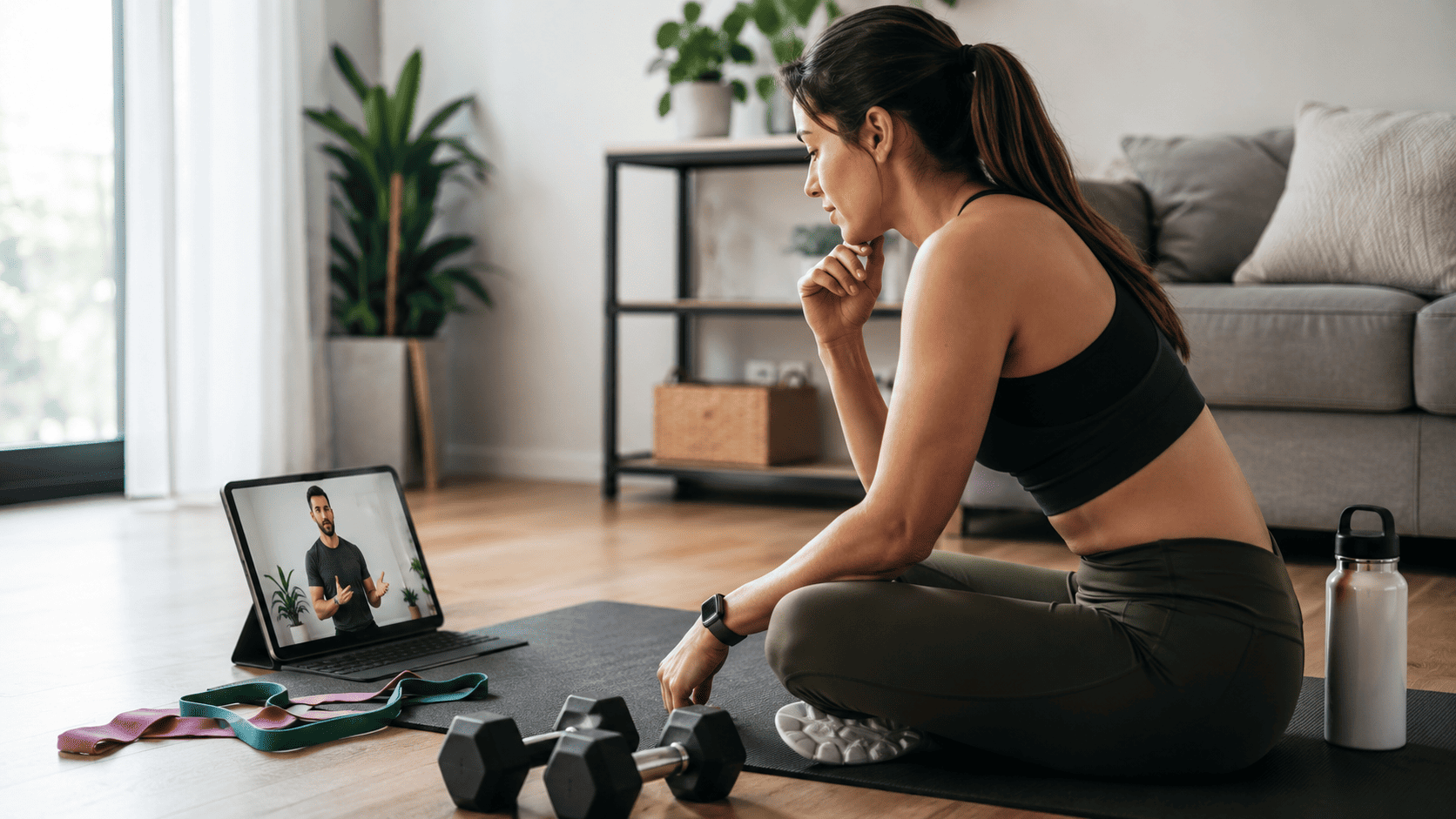
Is Online Personal Training Worth It?
Online personal training has become one of the most searched questions in fitness, and for good reason. More people than ever are weighing the cost, the flexibility, and the results against what they've always known: a trainer standing next to them in the gym, watching every rep.

How To Choose An Online Personal Trainer
Choosing an online personal trainer should feel like a smart step forward, not a gamble. The problem is that online fitness is crowded with polished marketing, fast promises, and plenty of coaches who look qualified before you ever find out how they actually coach.
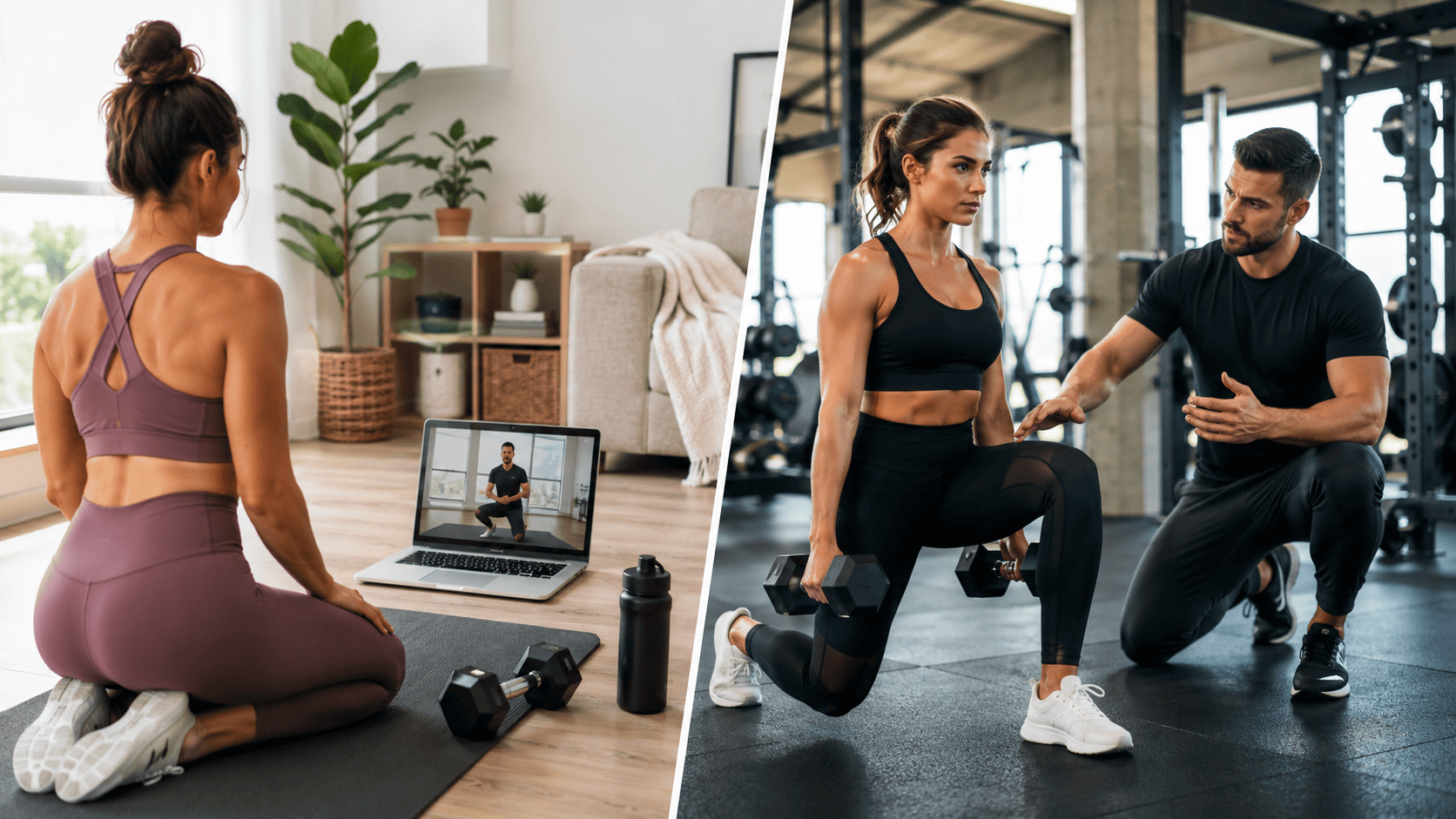
Online Fitness Coach Vs. Personal Trainer
Choosing between an online fitness coach and a personal trainer is not really about picking the better option in the abstract. It is about choosing the support model that fits your goals, schedule, experience level, and the way you actually live.
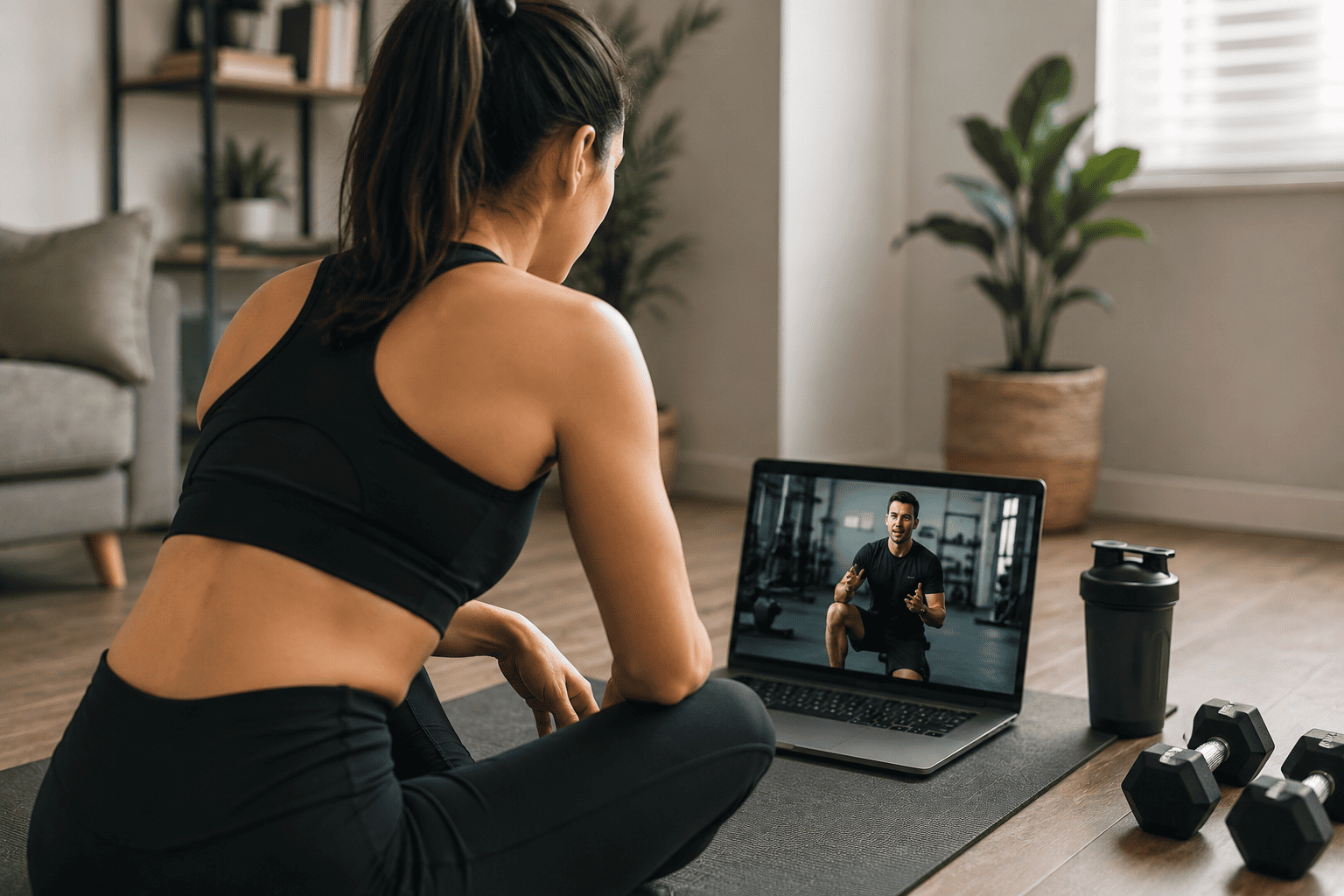
Online Personal Trainer Cost
The real question is not only what online personal training costs. The real question is what level of support you need, what kind of results you want, and whether the service actually matches your life, schedule, and goals.
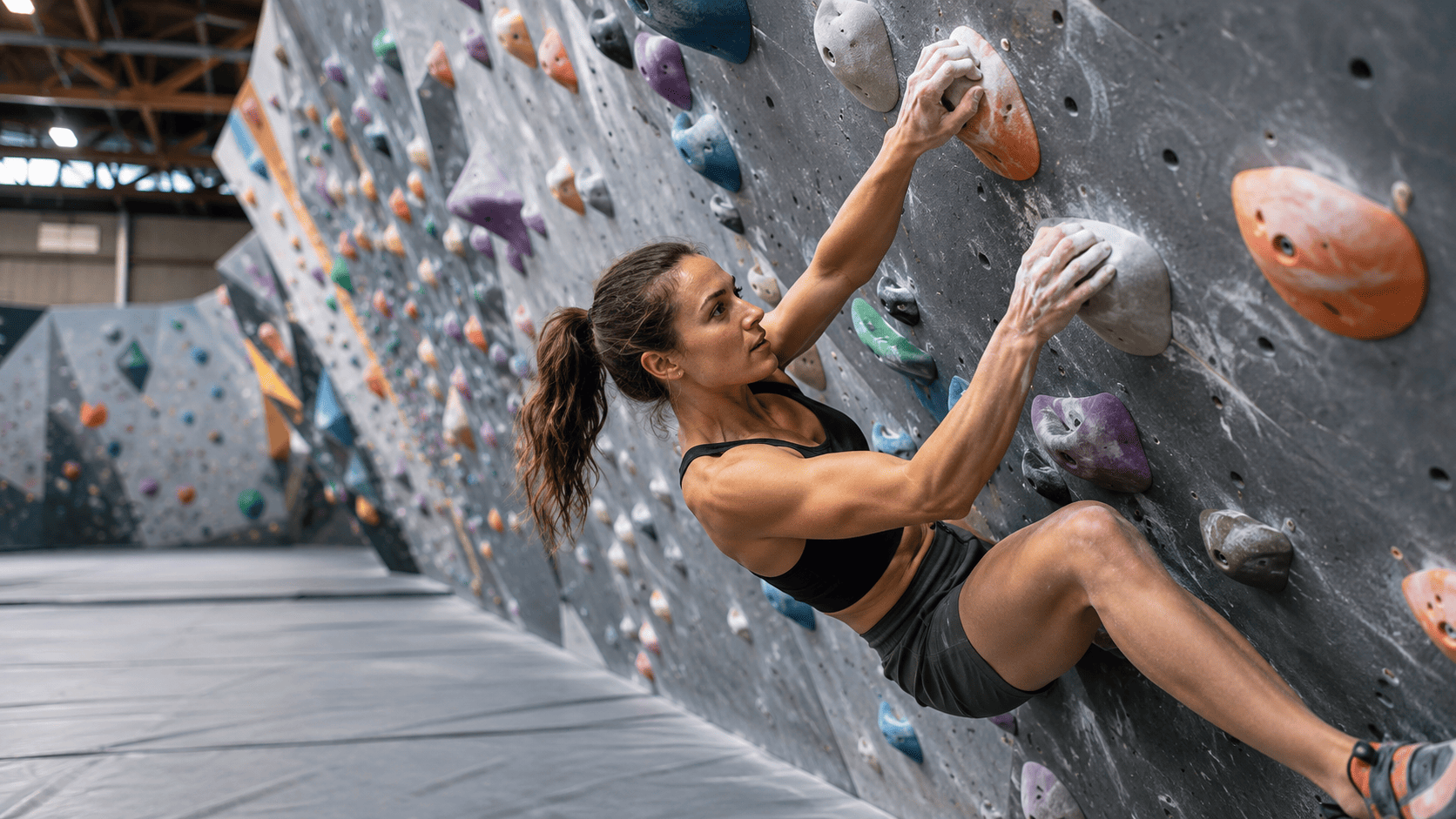


Training & Your Menstrual Cycle
There is a lot of noise around menstrual cycle training right now. Some of it is genuinely useful. Some of it turns a complex topic into a rigid monthly rulebook that tells athletes exactly when to push, exactly when to back off, and exactly what every phase is supposed to feel like.
Self-Consciousness In Climbing: How To Liberate Yourself From Its Negative Impacts
Self-consciousness is one of the quietest performance limiters in climbing. It does not show up the way weak fingers, poor footwork, or low power do. You cannot measure it on a hangboard or point to it on a training log.
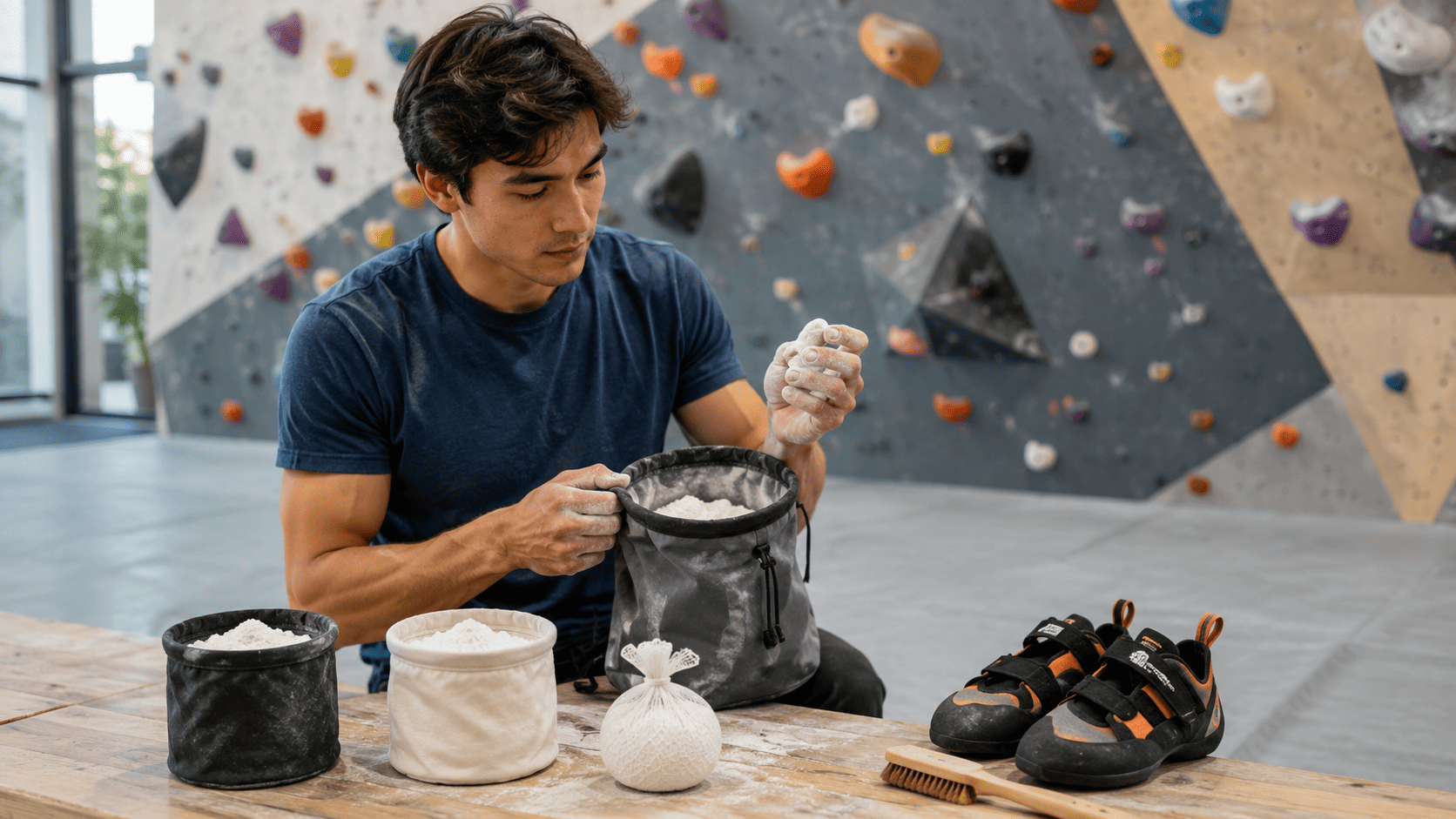
How To Choose A Chalk For Rock Climbing
Chalk seems simple until you actually start climbing regularly. Then you realize not all chalk feels the same, not all chalk behaves the same, and not every type works equally well for every climber, gym, or crag.
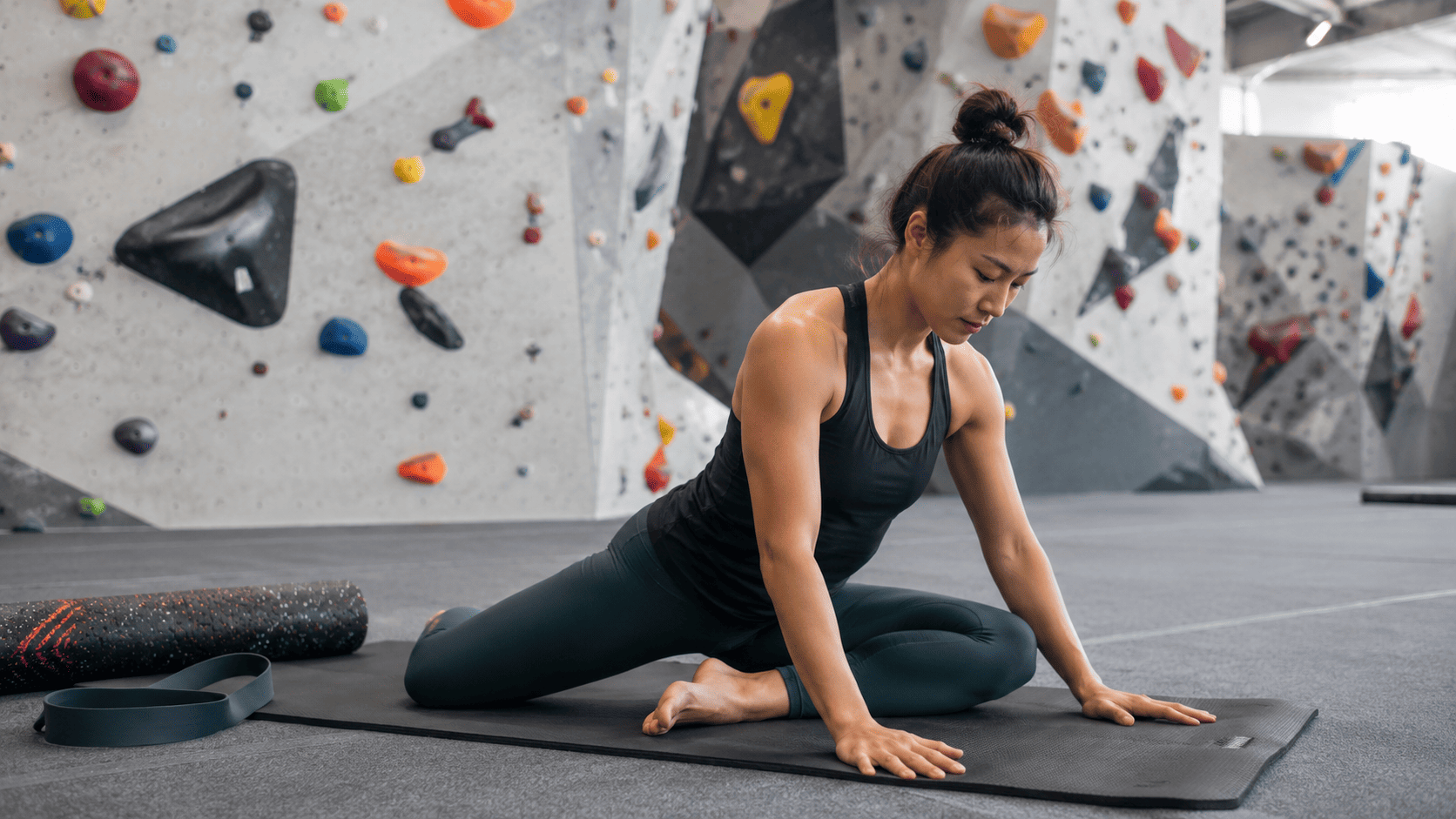
Fundamentals Of Flexibility Training For Climbers
Flexibility is often treated like an optional extra in climbing. It gets pushed to the end of the session, skipped when time is short, and brought back into focus only when a position feels impossible or something starts to feel off. That approach leaves a lot of potential unused.
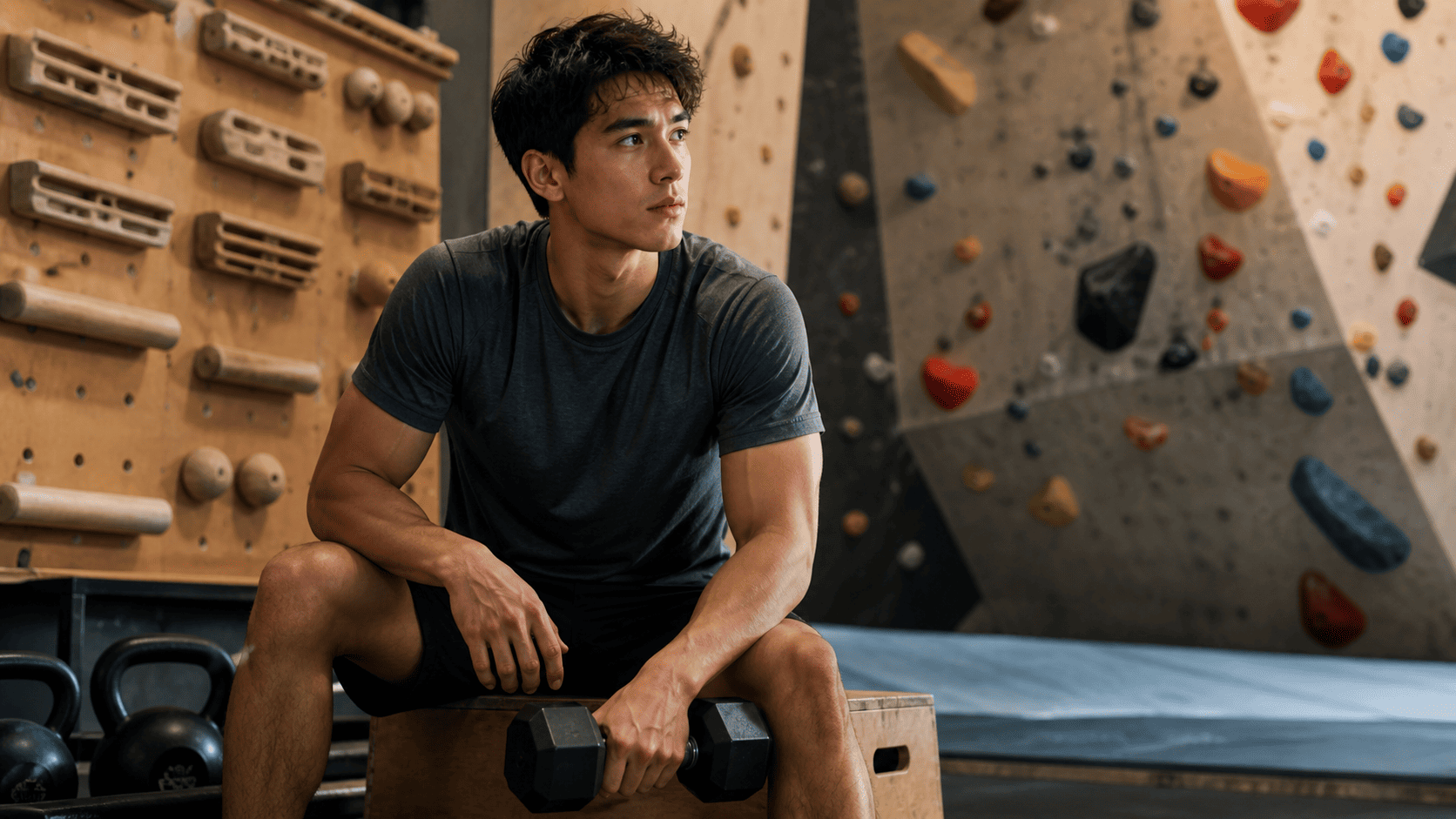
Do Climbers Really Need To Lift Weights?
This question comes up constantly in climbing, and for good reason. Some climbers swear by lifting. Others avoid it completely because they worry it will make them bulky, stiff, or worse at the sport. Most people are not really asking whether barbells are good or bad. They are asking whether lifting will actually help them climb better.
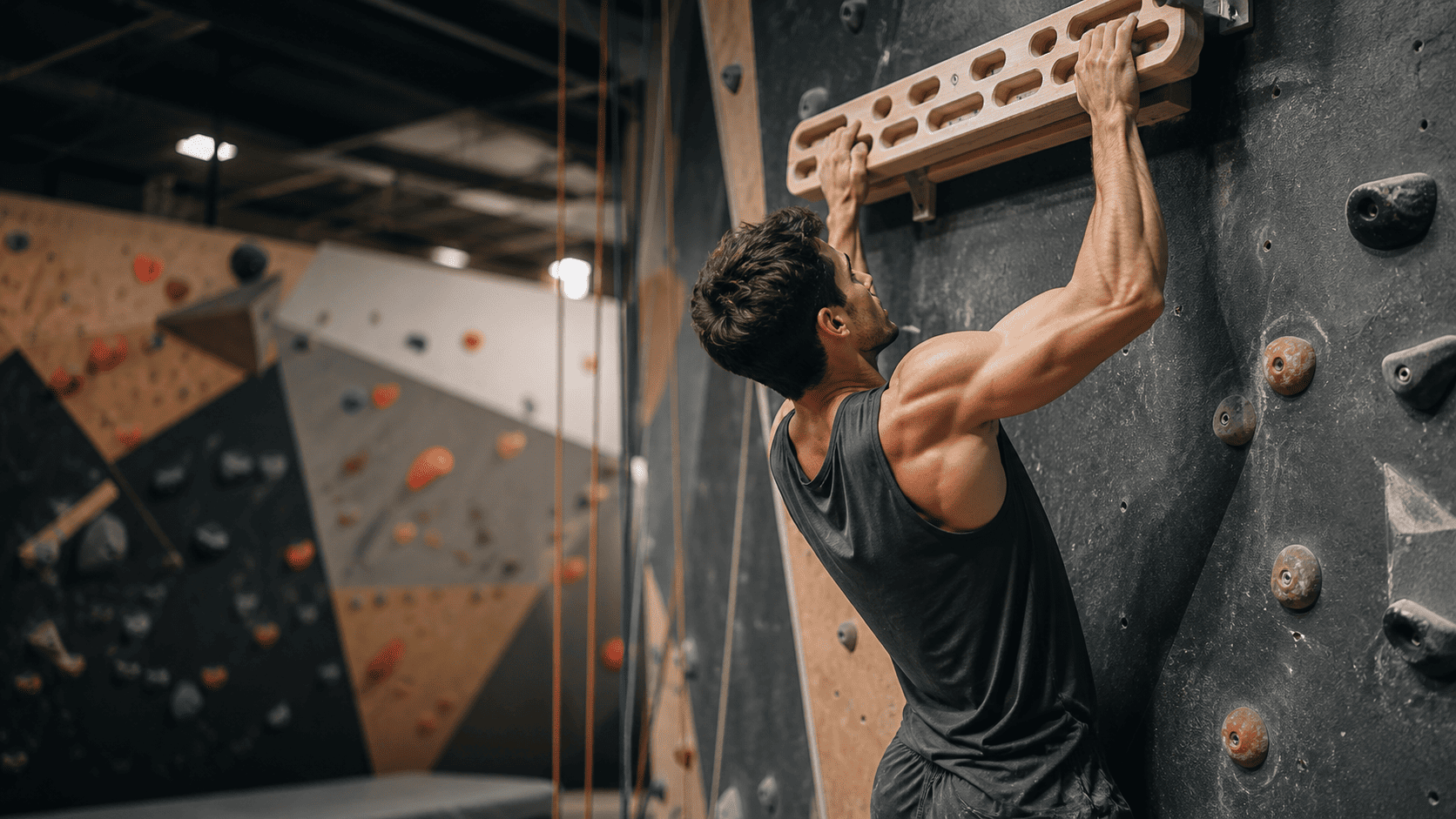
Upper Body Strength For Climbers
Upper body strength matters in climbing, but it is easy to misunderstand what that really means. A lot of climbers hear “get stronger” and immediately think of more pull-ups, more reps, and more gym work piled on top of an already full climbing week.
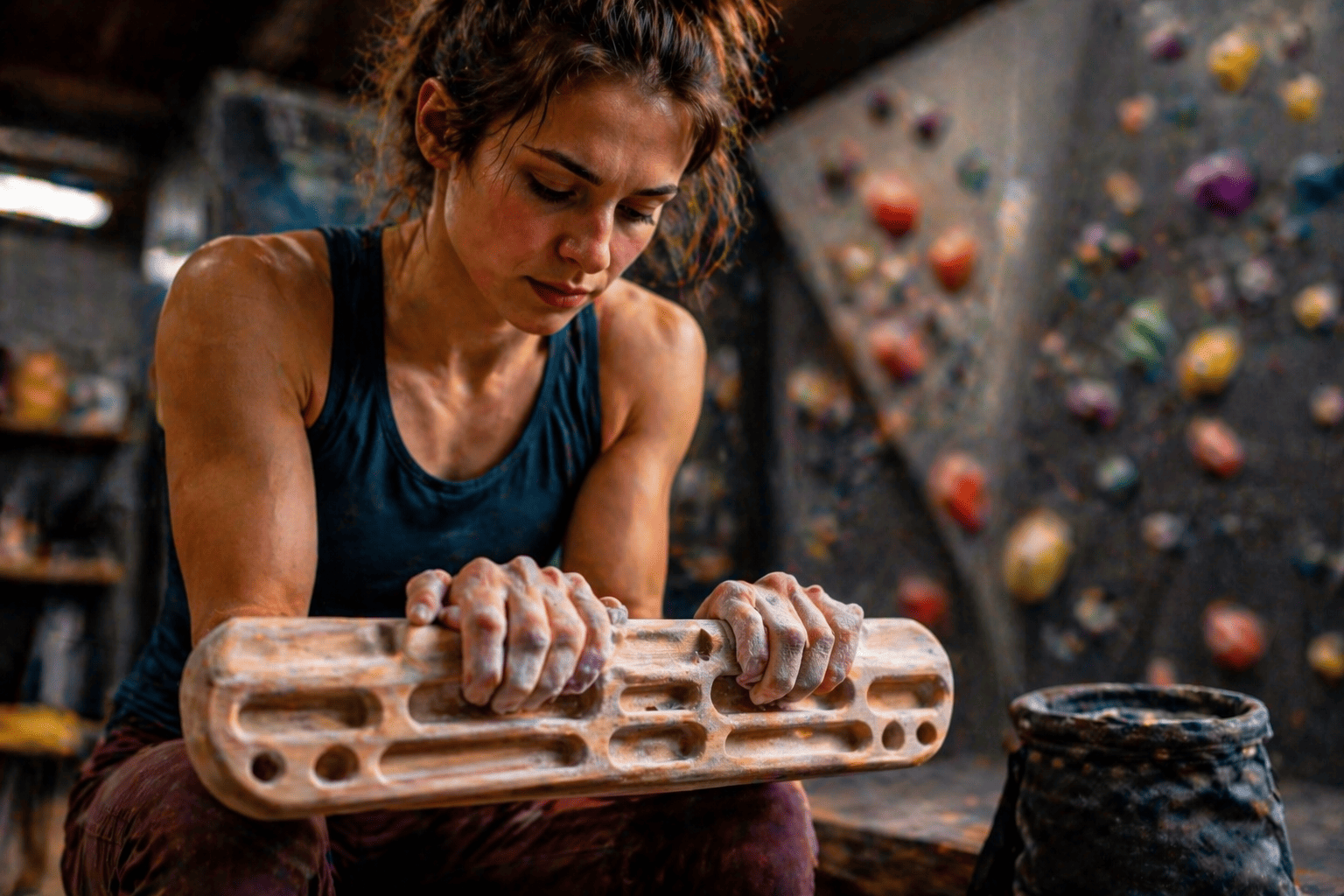
Finger Strength Training For Climbers
Finger strength matters in climbing, but it is easy to misunderstand what that really means. Stronger fingers can open new doors on the wall, help you stay composed on smaller holds, and give you more margin when the moves get demanding.
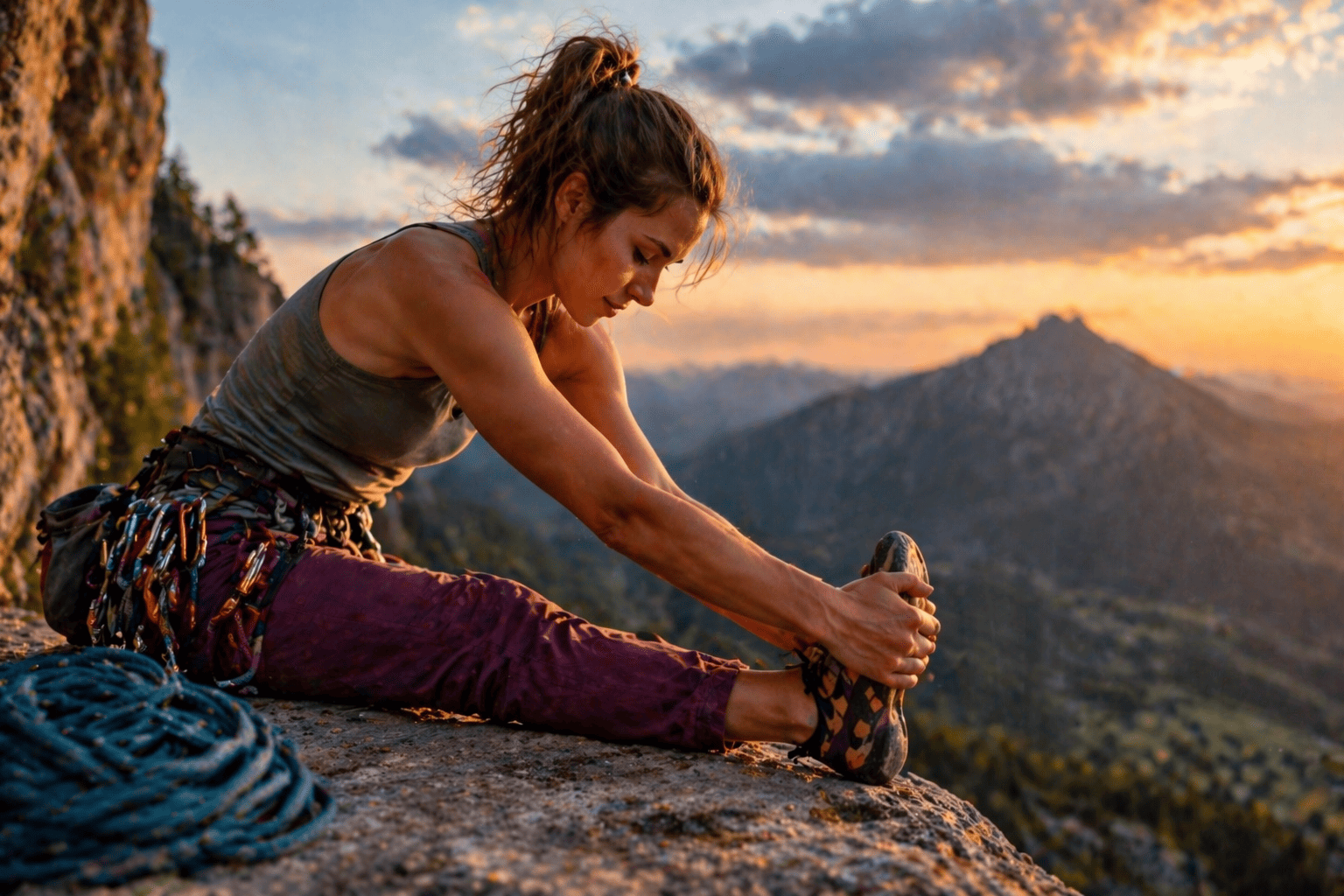
Flexibility For Climbers
A lot of climbers talk about flexibility as if it is a side project. Something you do after climbing, when you remember. Something that might help a little, but only if you have extra time. In practice, that mindset leaves a lot of performance on the table.

The Projecting Process
Projecting isn’t just about trying harder—it’s about using your effort with intention. Progress comes from learning sequences, managing energy, and refining each attempt, not simply repeating the same effort over and over. Ascend Coach Dan Mirsky break it down in this article.