
How To Choose An Online Personal Trainer
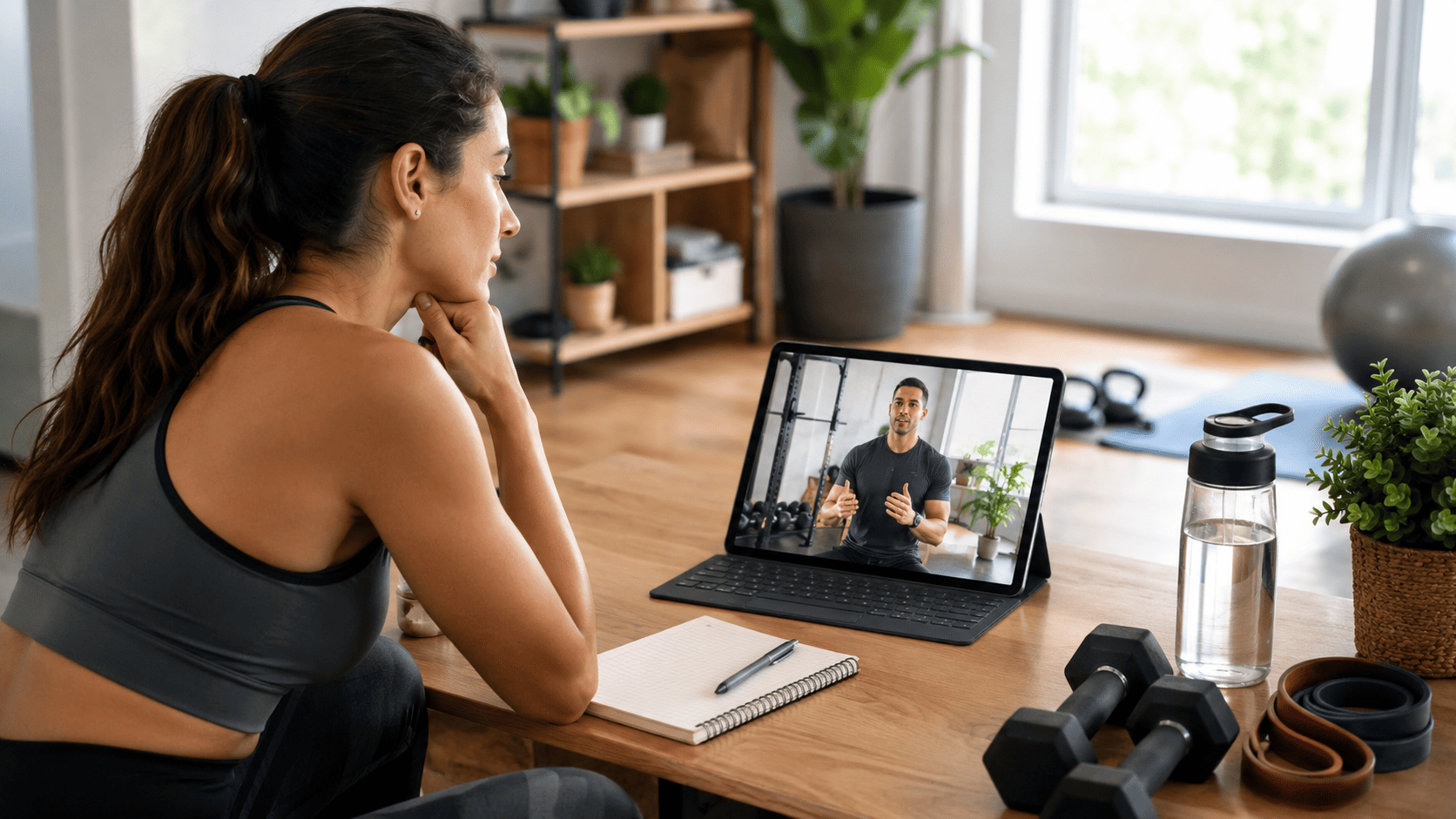
Choosing an online personal trainer should feel like a smart step forward, not a gamble. The problem is that online fitness is crowded with polished marketing, fast promises, and plenty of coaches who look qualified before you ever find out how they actually coach.
That matters because a good online trainer can bring structure, direction, accountability, and steady progress. A bad one can leave you with a generic program, inconsistent support, and a plan that falls apart the first time real life gets busy. If you are investing time, money, and trust, you should know how to judge the difference.
Ascend believes coaching should be purposeful, personal, and built around the athlete in front of us. That same standard is useful whether you are choosing a coach for general fitness, strength, performance, or a more specific goal. The right trainer is not just someone with credentials. It is someone whose process actually fits your needs.
Why The Right Online Trainer Makes Such A Big Difference
Online training can work extremely well, but only when the relationship is built on more than workouts. A strong coach gives you a plan you can follow, feedback you can use, and support that keeps you moving when motivation dips or life shifts. That is what turns training into progress instead of just activity.
The wrong trainer usually creates the opposite. You get surface-level communication, little adaptation, and a program that looks fine on paper but never really fits your goals, schedule, experience, or limitations. Over time, that gap becomes expensive.
This is why choosing well matters. The right coach does more than tell you what exercises to do. They help you train with clarity and move forward with confidence.
Start With Your Goal, Not The Trainer
Before you compare coaches, get clear on what you actually want. Most people start by looking at trainers first, but the better move is to define the result you care about and then work backward from there.
If your goal is general fitness, fat loss, or building consistency, you may not need a highly specialized performance coach.
If your goal is strength development, better athletic performance, or sport-specific training, you need someone whose background goes beyond basic workouts.
If your schedule is unpredictable, you need a coach who can adjust with you rather than hand you a rigid system and hope for the best.
This is where a lot of people waste time. They choose a trainer because the branding looks good, then discover later that the coaching is not built for the kind of progress they actually want. A strong fit starts with a clear target.
What Qualifications Actually Matter
Credentials matter, but they are not the full story. In an online space where anyone can call themselves a coach, legitimate certification is an important baseline. It tells you the trainer has at least invested in a formal standard rather than relying only on appearance, popularity, or self-promotion.
For most people, respected general certifications are a good place to start. Trainers with backgrounds through organizations like NASM, ACE, or ACSM have at least gone through recognized education around exercise programming, safety, and coaching fundamentals.
General Certifications Are A Starting Point
A certification does not automatically make someone a great coach. It does, however, make it easier to trust that they are not inventing their process from scratch. That matters even more online, where you are often making a decision before you have ever trained with the person face to face.
Still, credentials should open the conversation, not end it. Plenty of certified trainers are average coaches. Plenty of experienced coaches continue learning far beyond their initial certification. The real question is how they apply what they know.
Experience Should Match Your Goal
A trainer may be qualified in general and still be the wrong fit for you. Someone who works mainly with physique clients may not be the best choice for athletic performance. A coach who only posts advanced barbell work may not be right for a beginner training at home.
Look for experience that overlaps with your situation. That could mean clients with similar schedules, similar training backgrounds, similar equipment limitations, or similar goals. Relevant experience makes the coaching more likely to translate into your life instead of staying theoretical.
Coaching Style Matters More Online
Online coaching lives and dies by communication. Since your trainer is not standing next to you every session, their ability to explain, respond, guide, and adjust becomes one of the most important parts of the service.
A good coach should make you feel clear on what you are doing and why. You should understand how to approach your training, what progress looks like, and how feedback will be handled. If the coach is vague, hard to reach, or overly dependent on hype, the process usually starts to feel unstable.
You Need A Style That Fits You
Some people do best with direct accountability. Others need a calmer, more collaborative approach. Neither is automatically better. What matters is that the coach’s style helps you stay engaged and consistent instead of creating friction.
This is why consultations matter. A discovery call is not just a sales step. It is your chance to see whether the coach listens well, asks thoughtful questions, and communicates in a way that makes sense to you. Good coaching should feel structured and supportive, not performative.
How Online Coaching Should Actually Work
A lot of people sign up for online training without knowing what the service should include. That makes it easier for weak coaching to hide behind good marketing. If you do not know what real coaching looks like, almost any polished package can seem impressive.
A strong online training service should include clear program delivery, regular check-ins, some form of progress tracking, and a system for feedback. The plan should not stay frozen after week one. It should evolve as your body, schedule, performance, and recovery evolve.
Program Delivery Should Be Clear
Whether the trainer uses an app, shared documents, or another platform, your workouts should be organized, easy to understand, and built around your situation. You should know what to do, how to do it, and how the pieces fit together.
That does not mean the system has to be flashy. It means it has to be useful. A clean, thoughtful process beats a complicated app if the coaching behind it is stronger.
Accountability Should Be Built In
Online coaching should not depend on you doing everything perfectly alone. A good coach creates structure around consistency. That may include weekly check-ins, training reviews, habit tracking, recovery questions, or message-based follow-up.
Accountability is one of the biggest reasons people hire a coach in the first place. If there is no real review process, no meaningful follow-up, and no sign that your feedback affects the plan, then you are probably not paying for coaching. You are paying for access to a program.
Feedback Should Exist Beyond Motivation
Good online trainers do more than encourage you. They coach you. That means reviewing form when needed, adjusting volume or exercise selection, responding when life changes, and helping you understand what to do when progress stalls.
If the support ends after onboarding, the service is too thin. Real coaching is ongoing.
How To Spot Real Coaching Versus A Generic Program
This is one of the most important filters you can use. Many online offers sound personalized because the sales page uses the word customized. In practice, some services are little more than a prebuilt template with small cosmetic changes.
Real coaching usually starts with a strong intake process. A good trainer wants to know your goals, training history, injuries, schedule, equipment, experience level, and current challenges. They ask enough questions to build a plan around you, not just around their favorite system.
Warning signs usually look different. The trainer gives quick answers without digging deeper. The offer sounds the same for everyone. You do not hear much about progress reviews, adaptations, or how the plan changes once real training begins.
If you want a good rule, use this one: personalization should be visible in the process, not just promised in the marketing.
Questions To Ask Before You Sign Up
A consultation call should help you make a better decision. You do not need to interrogate the coach, but you should ask enough to understand what the service actually looks like.
A few strong questions can tell you a lot:
How do you customize the program for each client?
How often do you check in and what do those check-ins include?
How do clients send form videos or ask questions?
How do you adjust the plan if life gets busy or training needs to change?
What kind of clients do you work with most often?
What does your pricing include, and what does it not include?
Is there a required commitment period or cancellation policy?
These questions move the conversation beyond credentials and into real coaching mechanics. That is where the quality usually shows itself.
Watch For Common Red Flags
Most bad coaching reveals itself early if you know what to notice. You do not need to assume the worst, but you should pay attention when the process feels overly vague, overly aggressive, or overly polished without substance.
Some red flags are easy to miss because they are often packaged as confidence. Be careful with exaggerated promises, pressure to commit fast, and vague language around how the training actually works.
Here are some of the clearest warning signs:
Big promises with little detail about process
More focus on sales than coaching
No clear explanation of check-ins or support
Credentials that are hard to verify
Zero curiosity about your training history or goals
A one-size-fits-all feel during the consultation
Trust matters in coaching. If the process already feels rushed or thin before you start, it rarely gets better after payment.
Do You Need Full Coaching Or A Personalized Training Plan?
Not everyone needs the same level of support. This is where many people overspend or undershoot because they choose a service format before they understand what they actually need.
If you want regular accountability, program adjustments, coaching input, and ongoing communication, full online coaching is usually the better fit. If you are already fairly self-directed and mainly need a smart program with lighter guidance, a personalized training plan may be enough.
This difference matters. At Ascend, for example, there is a meaningful difference betweenongoing online coaching and a more structuredPersonalized Training Program. Both can be valuable, but they solve different problems.
A good coach should help you choose the right level of support, not just sell you the highest-ticket option.
A Good Online Trainer Should Feel Clear, Not Confusing
This is an underrated test. After speaking with a coach, you should feel clearer than before. Clearer on what you need, clearer on what the process looks like, and clearer on how progress will be supported.
You should not feel like you were sold a dream without understanding the details. Good coaching feels professional, collaborative, and grounded. It makes training feel more manageable, not more chaotic.
That is especially true for busy adults. If you are balancing work, family, travel, or a changing schedule, the right trainer helps you build consistency inside real life. They do not pretend real life is a problem that disqualifies you from progress.

How Ascend Approaches Online Coaching
At Ascend, we believe coaching should create structure without making training feel rigid. The goal is not to hand people random hard workouts or ask them to force life around the plan. The goal is to build a plan that supports meaningful progress and can hold up over time.
That is why our approach values communication, purpose, and adaptability. Whether someone needs broadersports performance training, a focusedonline strength coaching program, or help choosing the right starting point through aconsultation, the standard stays the same. Coaching should be personal, structured, and built to move with the athlete.
Good online coaching is not about doing more. It is about doing the right work, with the right support, in a way that fits the person doing it.
Final Thoughts
Choosing an online personal trainer is not about finding the loudest coach, the most impressive physique, or the most polished social media presence. It is about finding someone who understands your goal, communicates clearly, coaches consistently, and delivers a service that actually matches what you need.
The best trainer for you is not always the most famous. It is the one whose process gives you confidence, whose coaching creates momentum, and whose support makes progress more sustainable.
Take your time. Ask better questions. Pay attention to the structure behind the offer. When you choose with that level of clarity, you are much more likely to find a coach who helps you move forward for the right reasons.
FAQs
What Qualifications Should An Online Personal Trainer Have?
A legitimate trainer should usually hold a recognized certification such as NASM, ACE, or ACSM. Beyond that, relevant experience and a clear coaching process matter just as much.
Is Online Personal Training Worth It?
Yes, if the service includes real coaching, accountability, and personalization. It is usually most valuable for people who want structure, expert guidance, and ongoing support.
How Much Does An Online Personal Trainer Cost?
Pricing varies widely based on experience, support level, and service format. Some people only need a personalized plan, while others benefit more from full coaching with check-ins and regular adjustments.
How Do Online Personal Trainers Track Progress?
Most good coaches use a mix of workout logs, check-ins, habit tracking, form videos, performance markers, and ongoing communication to measure progress and guide adjustments.
What Questions Should I Ask Before Hiring One?
Ask about customization, check-in frequency, communication style, feedback process, pricing, cancellation terms, and experience with clients like you.
How Often Should An Online Coach Check In?
That depends on the service, but there should be a clear review process. Weekly check-ins are common, especially when accountability and program adjustments are part of the offer.
Can An Online Trainer Help With Strength Or Sports Performance?
Yes, but you should look for a coach whose background matches that goal. General fitness coaching and performance coaching are not always the same service.
What Is The Difference Between Online Coaching And A Workout Plan?
A workout plan gives you a structure to follow. Online coaching adds feedback, accountability, communication, and ongoing adjustments based on your performance and real life.
