
What To Wear Climbing Indoors
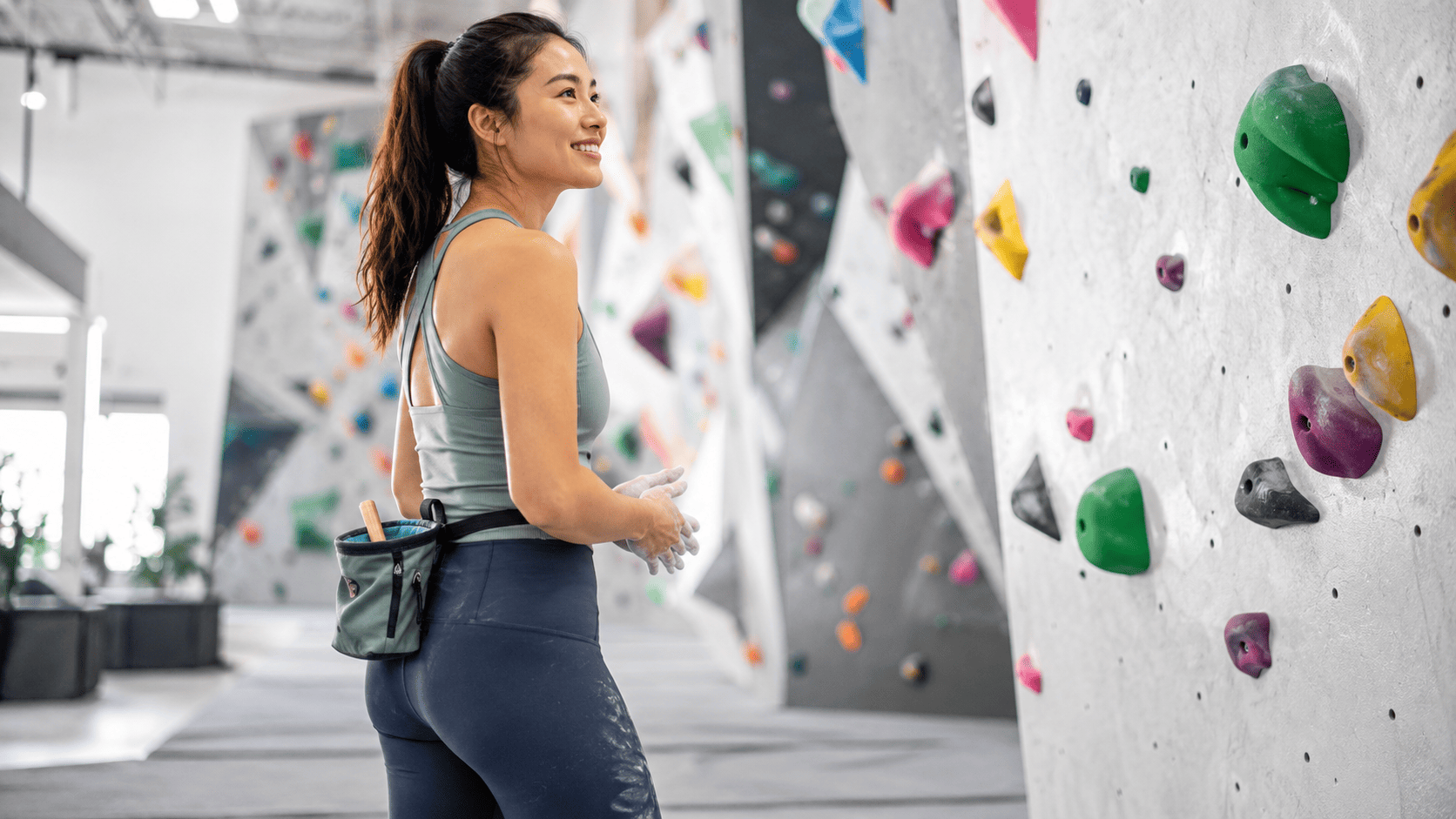
If you are heading to a climbing gym for the first time, it is easy to overthink what you should wear. A lot of beginners assume they need special climbing clothes before they even touch the wall. In reality, most people already own something that will work well enough for a first session.
The best indoor climbing outfit is not about looking like a climber. It is about wearing clothes that let you move freely, stay comfortable, and stop thinking about your outfit once the session starts. When your shirt rides up, your shorts pinch under a harness, or your pants block a high step, the clothing becomes part of the problem.
That is the real standard to use. Good indoor climbing clothes disappear in the background. They let you focus on movement, footwork, and effort instead of constant adjustments between attempts.
What Most People Should Wear
For most indoor climbing sessions, a fitted or comfortable athletic top, stretchy bottoms, and climbing shoes are all you really need. If you do not own climbing shoes yet, rent them from the gym and move on. You do not need a full gear setup just to get started.
That simple formula works because indoor climbing asks for range of motion more than anything else. You need to reach overhead, twist through your hips, bring your feet high, and move in awkward positions without fighting your clothes. That is why basic athletic wear usually does fine.
If you want the shortest possible answer, wear clothing you would trust for a hard workout that involves squatting, lunging, and reaching. Then make sure it stays in place when you move. That is a better test than whether it looks “outdoorsy” or expensive.
What Matters Most In Indoor Climbing Clothes
Before worrying about brands, fabrics, or gym style, it helps to know what actually matters. A good climbing outfit is built around movement first. Everything else comes after that.
Freedom Of Movement
Indoor climbing involves big reaches, hip turns, high feet, and positions that would expose weak clothing choices quickly. If your pants are too stiff or your top pulls tight through the shoulders, you will feel it right away. Even if the clothing feels fine standing still, it may not work once you start climbing.
A simple test helps here. Before you leave for the gym, raise one knee high, twist your torso, and reach overhead. If the clothing pulls, pinches, or shifts too much, pick something else. Climbing demands more mobility than many people expect.
Comfort Over Style
You do not need to dress a certain way to belong in a climbing gym. Some people wear leggings and a tank, some wear joggers and an old T-shirt, and some show up looking like they came straight from another workout. None of that matters if the outfit works.
Comfort should win every time. When you are new to climbing, there is already enough to think about. The less mental energy you spend on what you are wearing, the easier it is to settle in and focus on the session itself.
Clothes That Stay Out Of The Way
The best climbing clothes are the ones you stop noticing. That usually means tops that do not hang too loosely, bottoms that do not bunch up, and layers that do not swing around while you move. Baggy clothing is not always wrong, but if it blocks your view of your feet or catches on the harness, it becomes a distraction.
This matters even more when you start trying harder moves. Good climbing movement depends on body awareness. If your clothes make that harder, they are working against you.
The Best Tops For Indoor Climbing
Most indoor gyms are warm enough that simple athletic tops are the easiest choice. You do not need anything fancy. What matters is breathability, comfort, and a fit that lets your shoulders move well.
T-Shirts, Tanks, And Sports Bras
A standard athletic T-shirt works well for most people. Tanks can also be a great option if you prefer less fabric and more airflow. Supportive sports bras work well too, especially for bouldering or training sessions where you want less bulk and full shoulder freedom.
The best top is usually one that stays close enough to the body that it does not move around too much, but not so tight that it restricts your shoulders or chest. Climbing asks a lot from overhead movement, so that range matters.
If you are unsure, start simple. A breathable athletic tee is more than enough for a first visit. You can always get more specific later once you know what kind of sessions you enjoy.
When Long Sleeves Make Sense
Long sleeves can still work indoors, especially if the gym runs cool or you want a little extra skin protection. Some climbers like them for warming up or for sessions where forearm or elbow comfort matters. Others prefer them when they are brushing against volumes or textured walls a lot.
That said, many people get hot quickly once they start climbing. If you wear long sleeves, make sure the fabric is light and easy to move in. Bulky sweatshirts or thick cotton layers are usually less practical once the session gets going.
The Best Bottoms For Indoor Climbing
Bottoms matter more than many beginners realize. Your legs and hips do a lot of work in climbing, and poor clothing choices show up fast when you high-step, drop a knee, or wear a harness for roped climbing.
Leggings, Joggers, And Climbing Pants
For many people, leggings, joggers, or stretchy athletic pants are the safest choice. They move well, protect the knees a bit, and stay out of the way. They are especially practical if you are new and not yet sure how often your knees, shins, or calves will brush the wall.
Joggers work well when they are light and tapered. Leggings are a strong option if they feel comfortable and stay put during big movement. Climbing-specific pants are nice, but they are not required for indoor sessions, especially when you are just getting started.
The biggest advantage of longer bottoms is simple: they tend to reduce friction and skin scrapes while giving you freedom of movement. That combination is hard to beat.
Shorts: Fine, But Choose Carefully
Shorts can absolutely work indoors, especially for warm gyms or harder bouldering sessions. The main thing is fit and length. If the shorts are too short, too loose, or ride up badly, they can become uncomfortable fast, especially under a harness.
Longer athletic shorts are usually a better bet than very short or overly baggy options. You want enough coverage that the clothing stays comfortable when you step high, twist hard, or sit back in a harness. If you are top-roping or lead climbing, that matters even more.
If you love climbing in shorts, great. Just choose a pair that lets you move freely without constant adjusting. That is the real test.
What To Skip
Some clothing choices make climbing harder for no good reason. The usual problem is not that the outfit is wrong in theory. It is that it does not match the movement demands of climbing.
A few items are usually worth avoiding:
Jeans or stiff denim
Very baggy sweatpants
Bottoms with wide flared cuffs
Anything that pinches during a high step
Anything you have to keep pulling back into place
If the clothing feels restrictive on the ground, it will feel worse on the wall. Indoor climbing is much easier when your outfit works with you instead of against you.
Shoes: The One Item That Actually Matters
If there is one piece of gear that deserves real attention, it is your shoes. Everything else can usually come from your normal athletic wardrobe. Shoes are different because regular trainers or gym sneakers are not designed for climbing.
Rent Climbing Shoes First
If it is your first time indoors, rent climbing shoes and keep it simple. Nearly every climbing gym offers rentals, and that is the best way to start. You do not need to buy shoes before your first session, and you definitely do not need to panic-buy an aggressive pair because you think that is what climbers wear.
Rental shoes may not feel amazing, but they are enough to let you try the sport and understand what climbing-specific footwear actually feels like. That is valuable. It gives you context before spending money on something more personal later.
More importantly, climbing shoes are designed to grip holds, edge on footholds, and fit closely enough that your feet feel precise. Sneakers do not do that well, and you will notice the difference quickly.
Socks Or No Socks?
If you are wearing rental shoes, thin socks are completely fine. In fact, many beginners prefer them for comfort and hygiene. You do not need to go sockless just because more experienced climbers sometimes do.
As you climb more, you may decide you prefer a tighter, more direct feel without socks. That is fine too. But for a first visit, this is not something worth overthinking. Thin socks in rentals are normal and practical.
What Changes If You’re Bouldering Vs Top-Roping?
This is where the advice gets a little more specific. The basic outfit stays the same, but the details shift depending on whether you are bouldering, climbing with a harness, or doing a mix of both.
What To Wear For Indoor Bouldering
For bouldering, comfort and range of motion matter most. You will not be dealing with harness leg loops, so shorts can feel easier here than they do on roped climbs. That said, many people still prefer leggings or joggers because they protect the skin a bit on knee bumps, wall scrapes, and repeated attempts.
Bouldering also involves more powerful movement for a lot of people. You may jump down, pull hard, twist sharply, and try the same sequence multiple times. Clothing that stays in place and does not need constant adjustment is especially useful here.
What To Wear For Top-Rope Or Lead
For roped climbing, harness comfort becomes a bigger factor. This is where super short shorts can become annoying, and where bulky seams or awkward waistbands may suddenly matter more than they did while bouldering.
A fitted top also helps more here, especially because harnesses, ropes, and belay setups create more chances for loose clothing to feel messy or distracting. If you are trying roped climbing for the first time, think clean, simple, and easy to move in.
What Not To Wear To A Climbing Gym
Most bad clothing choices come down to distraction, restriction, or discomfort. You do not need a long list of rules, but a few things are worth avoiding because they consistently make sessions worse.
Try to skip:
Restrictive denim
Very baggy tops or bottoms
Heavy sweatshirts once you start climbing
Jewelry that can snag or scratch
Clothes that block your view of your feet
Anything you constantly need to adjust
Long hair should also be tied back if it tends to fall in your face or get caught around gear. That is not about appearance. It is just one less thing to manage while you climb.
What To Bring Besides Clothes
You do not need much for an indoor session, but a few small things can make the first visit smoother. Most gyms will handle the essentials if you are renting, so think simple rather than overprepared.
A first-time setup often looks like this:
Athletic clothes that move well
Rental climbing shoes
Thin socks if you want them
A water bottle
A hair tie if needed
A light layer for before or after the session
If you are top-roping, you may also rent a harness. Chalk can come later if you keep climbing, but you do not need to show up with a full kit on day one.
How Ascend Thinks About Indoor Climbing Clothing
At Ascend, we look at clothing the same way we look at training: it should support the session, not become the focus of it. The best outfit is the one that lets you move well, stay present, and climb without distraction.
That means you do not need to dress like a “serious climber” to have a good session. You need clothes that let you trust your movement. When your outfit works, you stop thinking about it and start paying attention to foot placements, body position, tension, and effort.
That is a better mindset for beginners and experienced climbers alike. Keep the setup simple. Choose function over image. Let the session be about climbing.
First-Time Indoor Climbing Outfit Examples
If you want something practical to copy, keep it easy. You do not need a complicated system for your first gym visit.
For bouldering, a strong first-time outfit might be an athletic tee, leggings or joggers, rental shoes, and a water bottle. For top-rope climbing, a fitted athletic top, longer shorts or stretchy pants, rental shoes, and thin socks works well.
Those combinations are not flashy, but they cover what matters. They move well, stay comfortable, and let you focus on the wall instead of the clothing.
FAQs
What Should You Wear To An Indoor Climbing Gym?
Wear comfortable athletic clothes that stretch and allow full movement. A breathable top, flexible bottoms, and climbing shoes are the basic setup most people need.
Should You Wear Shorts Or Pants For Indoor Climbing?
Both can work. Pants, leggings, or joggers often give better skin protection, while shorts can feel cooler and lighter. The best choice is the one that stays comfortable through high steps and twisting movement.
Do You Need Climbing Shoes For Indoor Climbing?
Yes, climbing shoes matter. If you do not own a pair yet, rent them at the gym. Regular trainers are not a good substitute on the wall.
Can You Wear Socks With Rental Climbing Shoes?
Yes. Thin socks are completely fine with rental shoes and are a common choice for beginners.
What Should You Not Wear To A Climbing Gym?
Avoid restrictive jeans, very baggy clothing, heavy layers, and jewelry that can snag or get in the way. Anything that limits movement or needs constant adjustment is usually a poor choice.
Do You Need A Harness For Indoor Climbing?
Only if you are doing roped climbing such as top-rope or lead. If you are only bouldering, you do not need a harness.
Can You Wear Leggings For Climbing?
Yes. Leggings are one of the best options for many indoor climbers because they stretch well, stay close to the body, and offer a bit of skin protection.
Can You Wear Jewelry While Climbing Indoors?
It is better to remove it. Rings, necklaces, and bracelets can get in the way, snag, or become uncomfortable during climbing.
