
How To Start Rock Climbing
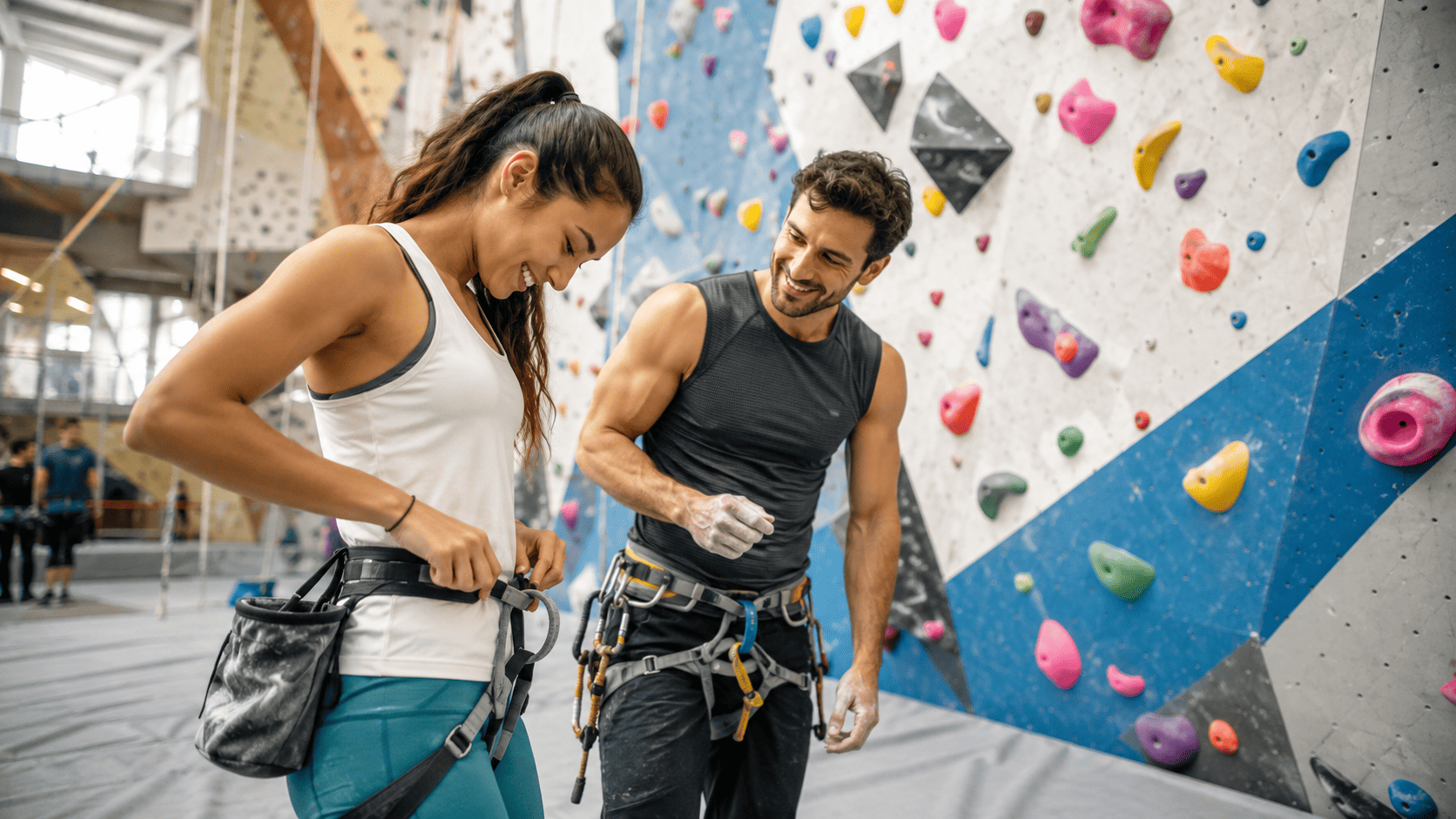
Starting rock climbing can look intimidating from the outside. There are ropes, shoes, grades, strange vocabulary, and a lot of people who seem to know exactly what they are doing. The good news is that getting started is far more approachable than it looks.
Most strong climbers did not begin with advanced gear, elite strength, or years of outdoor experience. They started by walking into a gym, trying a few climbs, and learning how to move. That is still the best way to begin.
If you are new to the sport, the goal is not to do everything at once. The goal is to start in the right environment, build confidence, and focus on the skills that actually matter early. That foundation will take you much further than rushing into harder grades or buying gear you do not need yet.
The Easiest Way To Start Rock Climbing
For most people, the easiest and smartest place to start is an indoor climbing gym. Gyms give you a controlled environment, clear route setting, rental gear, padded floors, and staff who can help you get oriented. You do not need to solve the full complexity of outdoor climbing on day one.
Indoor climbing also lets you build skill before adding more variables. Outdoors, climbing involves route finding, anchor systems, rock quality, weather, and far more responsibility. In the gym, you can focus on movement, comfort, and basic safety.
That matters because climbing is not just about getting stronger. It is about learning how to use your body well. A good gym gives you the space to begin that process without being overwhelmed.
Choose Your Starting Style
You do not need to try every form of climbing right away. Most beginners start with either bouldering or top-rope climbing, and both can be good options depending on what feels most appealing and accessible.
Bouldering
Bouldering is climbing on shorter walls without ropes, usually over thick padded flooring. It is the simplest way to start because you can often walk in, rent shoes, and begin right away. There is less equipment, less setup, and more freedom to try problems at your own pace.
Bouldering is excellent for learning movement, body tension, and problem-solving. It also tends to feel more social, since people are often working on the same climbs and resting in the same area. That said, the moves can feel powerful, and learning how to fall well matters from the start.
Top-Rope Climbing
Top-rope climbing happens on taller walls with the rope already running through an anchor above you. This gives you longer climbs, more time on the wall, and a different rhythm than bouldering. Many beginners find it less intimidating than they expected once the system is explained clearly.
If you want to start with ropes, most gyms require an introductory class or orientation. That is a good thing. Roped climbing has more systems involved, and proper instruction helps you build safe habits from the beginning.
Why Lead Climbing Comes Later
Lead climbing is an advanced discipline where the climber clips the rope into protection points while climbing. It is dynamic, rewarding, and an important part of the sport, but it is not where most people should start.
There is no downside to letting lead climbing come later. The best path is to first build comfort with movement, gym awareness, rope systems, and confidence on the wall. Strong foundations make every later step in climbing better.
What You Need On Your First Day
One of the best things about starting in a gym is that you do not need to buy everything up front. Most gyms rent the essential gear, which lets you try the sport before making bigger decisions.
For your first session, you usually only need:
Climbing shoes
A harness if you are climbing ropes
Chalk if the gym allows or recommends it
Comfortable athletic clothing
Wear clothes that let you move easily and do not get in the way. You do not need expensive apparel. A fitted T-shirt or tank and flexible shorts or trousers are usually enough.
If you stick with climbing, shoes are often the first piece of gear worth buying. They make a noticeable difference and help you get used to a consistent fit. Beyond that, it is fine to build slowly. You do not need a full kit to become a real climber.
What Happens On Your First Gym Visit
Your first gym session usually starts with a waiver, check-in, and a quick orientation. Staff may explain how the routes work, how grades are marked, and what areas are for bouldering, top-rope, or auto-belay. Pay attention here, because gym etiquette is part of climbing well.
If you are renting gear, ask for help with fit. Shoes should feel snug but not unbearable. A harness should sit securely and comfortably. Most new climbers try to figure everything out quietly, but asking a question early is always better than guessing.
Once you are on the wall, start easier than you think you need to. That is not a step backward. Easy climbs help you understand foot placement, balance, and pacing. A beginner who climbs easy terrain well will progress much faster than someone who immediately chases harder problems with poor movement.
Take An Intro Class If You Want To Climb Ropes
If top-rope climbing interests you, an introductory class is one of the best investments you can make early. These classes usually cover how to tie in, how belaying works, basic commands, partner checks, and the safety habits that make rope climbing work.
This is not just about getting permission to use the ropes in a gym. It is about learning the system with clarity and respect. Climbing is incredibly rewarding, but ropes are not something to self-teach casually from short videos and guesswork.
A good intro class also helps reduce anxiety. Once you understand the system, tall walls start to feel much more manageable. You can pay attention to climbing instead of worrying about what is happening with the rope.
The First Technique Principles That Matter Most
Early progress in climbing comes much more from movement than from raw strength. That is important because many beginners assume they need to get stronger before they can climb well. In reality, better movement usually gives the fastest results.
Use Your Legs More Than Your Arms
Your legs are stronger than your arms, and climbing gets much easier when you trust them. Beginners often try to pull themselves up each move, which leads to quick fatigue and that familiar pumped-out forearm feeling.
Think about standing up on footholds instead of doing pull-ups on handholds. The more often you can push through your feet, the more energy you save and the more controlled your climbing becomes.
Focus On Quiet Feet
Quiet feet is one of the simplest and best cues in climbing. It means placing your foot precisely and intentionally, rather than scraping, tapping, or readjusting multiple times before committing.
Good footwork makes everything feel easier. It improves balance, keeps you closer to the wall, and reduces wasted energy. If a new climber asks what to focus on first, footwork is always near the top of the list.
Climb With Straight Arms When Possible
New climbers tend to stay tense and bent through the arms. It feels safer at first, but it burns energy quickly. Whenever possible, let your skeleton do more of the work by hanging on straighter arms and relaxing into positions.
This does not mean every move should be passive. It means you should avoid unnecessary tension. Efficient climbers look calmer because they are calmer, and that saves a tremendous amount of strength.
Slow Down And Breathe
When people are new, they rush. They look at the next hold too late, grip harder than necessary, and move before they are balanced. Slowing down helps more than most beginners expect.
Take a second to look, breathe, and decide. Climbing rewards composure. The faster you stop fighting the wall and start reading it, the faster you improve.
What To Focus On In Your First 30 Days
The first month of climbing should be about consistency, comfort, and movement quality. You do not need a perfect plan, but you do need the right priorities.
In your first several sessions, focus on learning how the gym works, trying both bouldering and ropes if available, and getting comfortable on easier climbs. Notice how your feet move, how your breathing changes, and how different wall angles feel. That awareness matters.
As the weeks go on, start repeating easy climbs on purpose. Instead of only trying new routes, do familiar ones better. Climb them more smoothly. Use less grip. Move with less noise and less panic. Repeating climbs with intention is one of the fastest ways to build real skill.
There are also things you do not need to worry about yet. You do not need hangboard training, highly aggressive shoes, outdoor trad systems, or advanced programming. You need time on the wall, good habits, and enough recovery to keep enjoying the process.
Can You Start Rock Climbing Alone?
Yes, absolutely. Bouldering is especially beginner-friendly if you are coming in alone, because you do not need a partner or rope system to start. Many gyms also have auto-belays, which let you climb roped routes without a belay partner.
Starting alone is more common than many people think. Climbing gyms are often social spaces, and over time many people naturally meet partners, ask questions, and become part of the community. You do not need to arrive with a full crew to belong there.
That said, being alone should not mean being isolated. Introduce yourself, ask staff for guidance, and observe the flow of the gym. Climbing has a strong learning culture, and most people remember what it felt like to be new.
When To Move From Indoor To Outdoor Climbing
Outdoor climbing is incredible, but it is not just indoor climbing on real rock. The movement might transfer, but the systems, hazards, and decision-making are much bigger. Outdoors, you are dealing with anchors, weather, rock quality, descent logistics, and much higher consequences for mistakes.
That is why most climbers should not move outside independently right away. The better approach is to go with a guide, take a course, or climb with experienced partners who know how to manage the environment responsibly. Outdoor climbing deserves proper respect.
There is no rush here. Indoor climbing is not a lesser version of the sport. It is an excellent place to build skill, confidence, and movement before adding more complexity.
Common Beginner Mistakes To Avoid
A few mistakes show up again and again with new climbers. The good news is that once you know them, they are easier to avoid.
Common beginner mistakes include:
Starting on climbs that are too hard
Pulling too much with the arms
Ignoring foot placement
Comparing yourself to experienced climbers
Climbing too often too soon without recovering
Buying too much gear before you know what you need
The biggest mistake, though, is thinking you are behind. Climbing has a steep learning curve at first because so much is unfamiliar. That is normal. The athletes who improve well are usually the ones who stay patient and keep showing up.
How Ascend Thinks New Climbers Should Start
Ascend believes new climbers should start by building movement, confidence, and consistency. Early climbing is not about proving how hard you can climb. It is about learning how to move well and developing a relationship with the sport that can actually last.
That means focusing on the basics longer than your ego might want. Climb easy terrain with intention. Build awareness through your feet. Get used to staying calm when movement feels awkward. Strong climbers are rarely the ones who rushed the beginning. They are usually the ones who built a real foundation.
We also believe the process should feel sustainable. You do not need to train like an elite athlete to start climbing well. You need structure, repetition, and enough patience to let skill take hold. That is where long-term progress begins.
FAQs
Is Bouldering Or Top-Rope Better For Beginners?
Both can be great. Bouldering is easier to start because it requires less gear and no partner, while top-rope gives you longer climbs and more time to practice movement. The best choice is usually the one that gets you climbing consistently.
Do I Need To Be Strong To Start Rock Climbing?
No. Strength helps, but beginners improve most through movement, balance, and technique. You can absolutely start climbing before feeling “in shape enough.”
What Should I Wear To A Climbing Gym?
Wear comfortable, athletic clothing that allows full movement. You do not need specialised clothing on day one.
Can I Go Climbing By Myself?
Yes. Bouldering and auto-belay routes make solo climbing sessions very possible, especially in indoor gyms.
What Gear Should I Buy First?
If you decide to stick with climbing, shoes are usually the first worthwhile purchase. They help with consistency and fit. Everything else can come later.
How Often Should Beginners Climb?
Two to three sessions per week is a great starting range for many beginners. That is enough to build familiarity and progress without overwhelming the body.
When Should I Start Climbing Outdoors?
Usually after you have built some gym experience and can go out with a guide, instructor, or experienced partner. Outdoor climbing adds many skills and risks that deserve proper instruction.
Is Rock Climbing Safe For Beginners?
Yes, especially in a well-run indoor gym when you follow the rules and get proper instruction. Like any sport, it carries risk, but a good environment and good habits make a huge difference.
