
Online Personal Trainer Cost
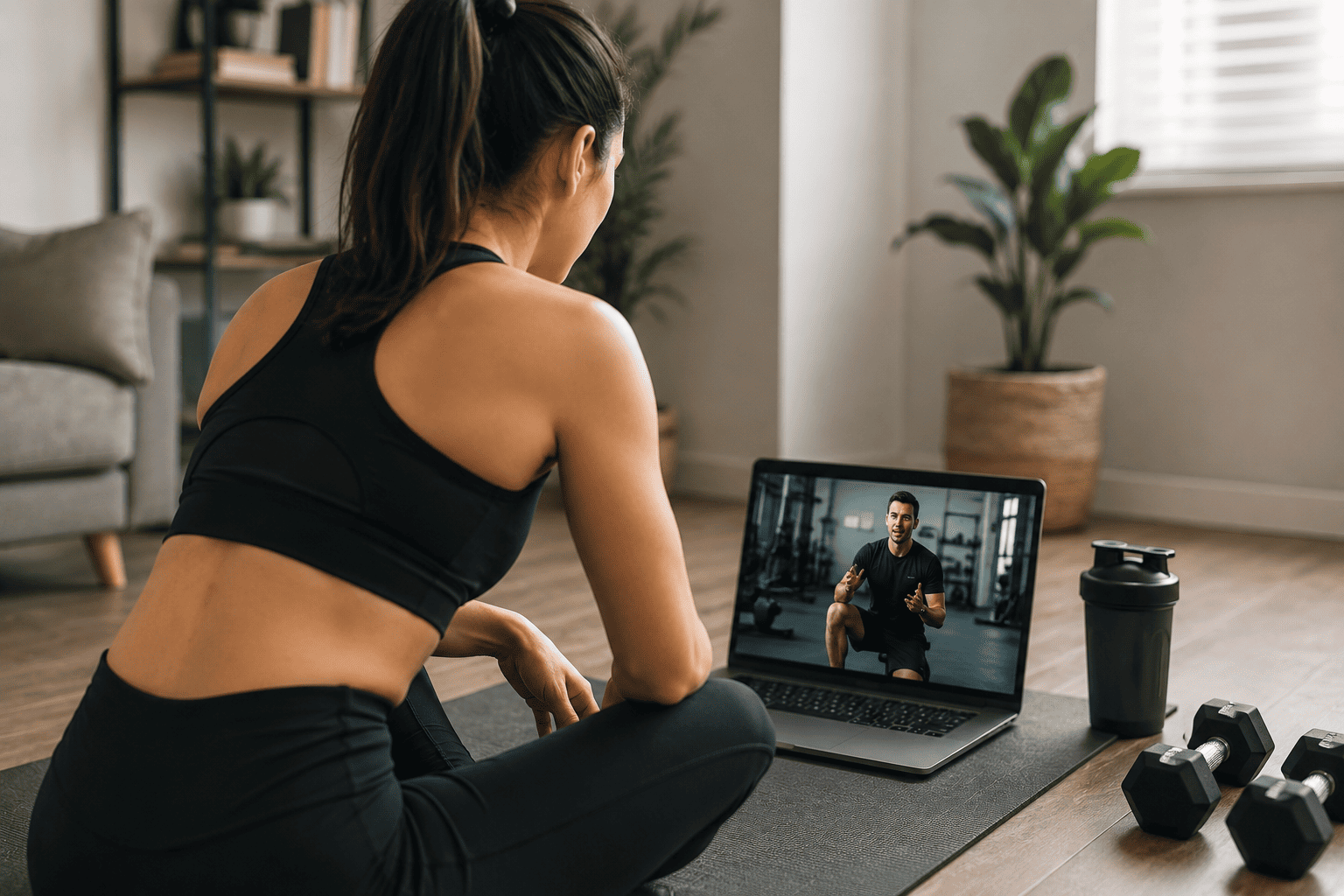
Online personal trainer cost usually ranges from about $100 to $200 per month for standard coaching. Lower-cost fitness apps often fall around $15 to $50 per month, while premium coaching commonly lands between $175 and $350+ per month. If you prefer live virtual sessions, expect about $30 to $80 per session depending on the trainer and format.
That wide range is why this topic gets confusing so quickly. One service may be little more than an app with a workout library. Another may include custom programming, regular check-ins, training adjustments, accountability, and direct communication with a real coach. Both may be called online personal training, but the experience is very different.
The real question is not only what online personal training costs. The real question is what level of support you need, what kind of results you want, and whether the service actually matches your life, schedule, and goals.
How Much Does An Online Personal Trainer Cost?
For most people, the sweet spot sits in the middle. Around $100 to $200 per month is where online coaching starts to feel meaningfully personal. That is usually the level where you get a plan built around your goals, regular follow-up, and enough communication to keep the process moving.
Once you move into more hands-on support, the monthly price rises. That can include more detailed plan adjustments, closer accountability, stronger nutrition guidance, and more direct access to your coach. On the other end of the spectrum, lower-cost options are often less coaching and more content delivery.
App-Based And Low-Touch Programs
This is the cheapest part of the market, and it appeals to a lot of people because it feels affordable and easy to start. In most cases, you are paying for convenience and structure rather than true coaching.
A low-cost app or low-touch plan can work well if you already know how to train, do not need much feedback, and stay consistent on your own. It is less effective if you need adjustments, accountability, or help working around schedule issues, travel, recovery problems, or changing goals.
Standard Online Coaching
This is where most buyers should focus first. Standard online coaching usually includes a customized plan, regular check-ins, progress tracking, and some level of communication between you and your coach.
For many people, this is the best value tier because it gives enough support to create real momentum without pushing the price into a premium range. If your goal is fat loss, strength, better fitness, or more structure in your routine, this level often covers what you actually need.
Premium And High-Support Coaching
Premium coaching costs more because the service becomes more involved. This can include deeper accountability, more frequent communication, detailed form review, stronger nutrition support, and a more responsive coaching relationship overall.
This tier makes sense for people with demanding schedules, ambitious performance goals, or a history of starting and stopping. The higher price is usually tied to more coach time, more adjustment, and more personal attention.
Live Virtual Personal Training
Virtual sessions are usually priced per session instead of by the month. That works well for some people, especially if they want real-time instruction, immediate form correction, or a more traditional personal training experience without meeting in person.
The challenge is cost over time. Once you start booking multiple sessions per week, the total monthly spend can climb quickly. For that reason, many people prefer a monthly coaching model that includes planning and support across the full month rather than paying by the hour.
What You Are Actually Paying For
A lot of people assume they are paying for workouts. That is only partly true. Workouts are easy to find. The real cost difference usually comes from the coaching around the workouts.
That means personalization, adjustments, accountability, feedback, and support are what usually push the price up. Those are also the things that often make the difference between following a plan for two weeks and sticking with it long enough to see real results.
Program Customization
A generic training plan is cheap to deliver. A custom plan is not. Once a coach is building your program around your schedule, equipment, training history, recovery, and goals, the work becomes much more individualized.
That matters because the best plan is rarely the one that looks the most advanced. The best plan is the one that fits your current life well enough that you can actually follow it. Customization is what turns a plan from theoretical into practical.
Accountability And Check-Ins
This is one of the biggest reasons people hire a coach instead of downloading another app. A structured check-in creates momentum. It gives the process rhythm and keeps you engaged even when motivation dips.
For many clients, accountability is the product. Workouts alone do not solve inconsistency. Clear expectations, regular follow-up, and a coach who notices when things slip are often what make coaching worth the money.
Feedback And Progress Review
Better coaching usually means better adjustment. Your training should not stay static for months at a time if your body, schedule, or recovery has changed. Real coaching includes some process for reviewing progress and making decisions based on what is actually happening.
That does not always mean live calls or constant messaging. It does mean there is a system for evaluating how training is going and changing it when needed.
Nutrition And Lifestyle Support
This is another major pricing variable. Some online trainers include only very light nutrition guidance, while others offer deeper support around food choices, habits, recovery, routine, and long-term behavior change.
The broader the support becomes, the more time it takes to deliver well. That is one reason two services with similar-looking workout plans can still have very different monthly costs.
Online Personal Training Vs Fitness Apps
A fitness app and an online personal trainer are not the same thing. They may both live on your phone, but the level of personal attention is very different.
Apps are good at scale. Coaching is good at response.
What Apps Usually Offer
Apps usually give you structure, convenience, and a lower price. They can be useful if you are already fairly self-directed and mainly need workouts, tracking, and a system to follow.
The downside is that most apps do not really coach you. They do not notice when your shoulder starts bothering you, when your work schedule wrecks your training week, or when your progress stalls because the plan no longer fits.
What Real Coaching Usually Offers
A real coach can respond to what is happening in your life and training. That means changing exercise selection, adjusting volume, helping you stay consistent during busy weeks, and building a plan that fits your actual capacity.
That level of response is what many people are really paying for. It is also why real online coaching costs more than a simple subscription app.
Online Personal Training Vs In-Person Training
Online personal training is often more cost-effective than in-person training because you are not paying only for face-to-face time. You are usually paying for a full month of programming, communication, and adjustment instead.
That makes online coaching a strong option for people who want flexibility and a more sustainable long-term cost. It allows training to fit around work, family, travel, and changing routines more easily than fixed in-person appointments.
In-person training still has value, especially for people who are brand new to exercise or who need direct hands-on instruction right away. But for many adults trying to improve fitness over time, online coaching offers a better mix of structure, flexibility, and value.

How To Choose The Right Price Tier
The right price tier depends on how much support you need, not just how serious your goal sounds.
If you are fairly self-motivated and mainly need a smart plan, a lower-cost option may be enough. Someone looking for structure without full coaching may be better served by a clear, goal-based program rather than a premium monthly package.
If you need stronger accountability, a coach who adjusts the plan, and support that helps you stay consistent, standard online coaching is usually the better fit. That is especially true for people balancing work, life, and training all at once.
If your goals are more performance-focused, or if your schedule is demanding enough that you need closer support, premium coaching often becomes more valuable. People exploring personalized fitness coaching online are often trying to figure out exactly where they fall on that spectrum.
What A Good Online Personal Trainer Should Include
Price matters, but quality matters more. Before choosing a service, make sure the offer is clear about what actually happens after you sign up.
A good online trainer should usually include:
A plan built around your goals and schedule
A clear check-in structure
Progress tracking or regular review
A process for adjusting training over time
Real communication, not just automated messages
Honest expectations about what is and is not included
If the service sounds vague, overly generic, or strangely premium without explaining the support model, that is usually a red flag.
How Ascend Approaches Online Training Value
The best online training is not always the cheapest or the most expensive option. It is the one that gives you the right level of structure and support for where you are right now.
Some people need a personalized plan they can execute confidently on their own. Others need ongoing coaching, accountability, and a stronger performance focus to stay consistent and keep progressing. That distinction matters, because not every client needs the same service model.
Ascend’s Personalized Training Program fits people who want a tailored plan with meaningful structure and communication, but not a full high-touch coaching relationship. Clients who want a more performance-oriented path may connect more with online strength coaching or sports performance training, where progression and long-term development carry more weight. If you are not sure which level of support makes sense, a free consultation can clarify what you actually need before you commit.
Is Online Personal Training Worth It?
For the right person, yes. The value comes from more than just having workouts. It comes from having a system that fits your life, keeps you accountable, and evolves as your situation changes.
That is why the cheapest option is not always the best value. A low monthly price means very little if the plan is generic, the support is weak, and you fall off after three weeks. On the other hand, a higher monthly price can be worth it if it helps you stay consistent, train smarter, and stop wasting time guessing.
FAQs
How Much Does An Online Personal Trainer Cost Per Month?
Most real online coaching services fall around $100 to $200 per month, while premium coaching can rise to $175 to $350+ per month. Lower-cost apps are usually much cheaper, often $15 to $50 per month.
Is Online Personal Training Cheaper Than In-Person Training?
In many cases, yes. Online coaching often spreads support across the full month, while in-person training is usually billed by the session or hour.
What Is Included In Online Personal Training?
That depends on the service, but common features include a custom workout plan, regular check-ins, accountability, messaging, progress tracking, and sometimes nutrition guidance.
Are Online Personal Trainers Worth It?
They can be very worthwhile if you need structure, accountability, flexibility, and a plan that adapts to your real life rather than forcing you into a rigid system.
Do Online Personal Trainers Include Nutrition Guidance?
Some do and some do not. Basic coaching may include simple guidance, while higher-support services often include more detailed nutrition and lifestyle help.
What Is The Difference Between A Fitness App And A Real Online Coach?
A fitness app gives you structure. A real coach gives you feedback, adjustment, accountability, and personal support.
How Much Should I Pay For A Custom Workout Plan?
That depends on how much support comes with it. A custom plan on its own costs less than ongoing coaching. Once accountability, adjustments, and communication are included, the price usually rises.
Why Do Some Online Personal Trainers Cost Much More Than Others?
Usually because the service includes more customization, more coach access, more feedback, and stronger support across training, recovery, and lifestyle.
