
Fundamentals Of Flexibility Training For Climbers
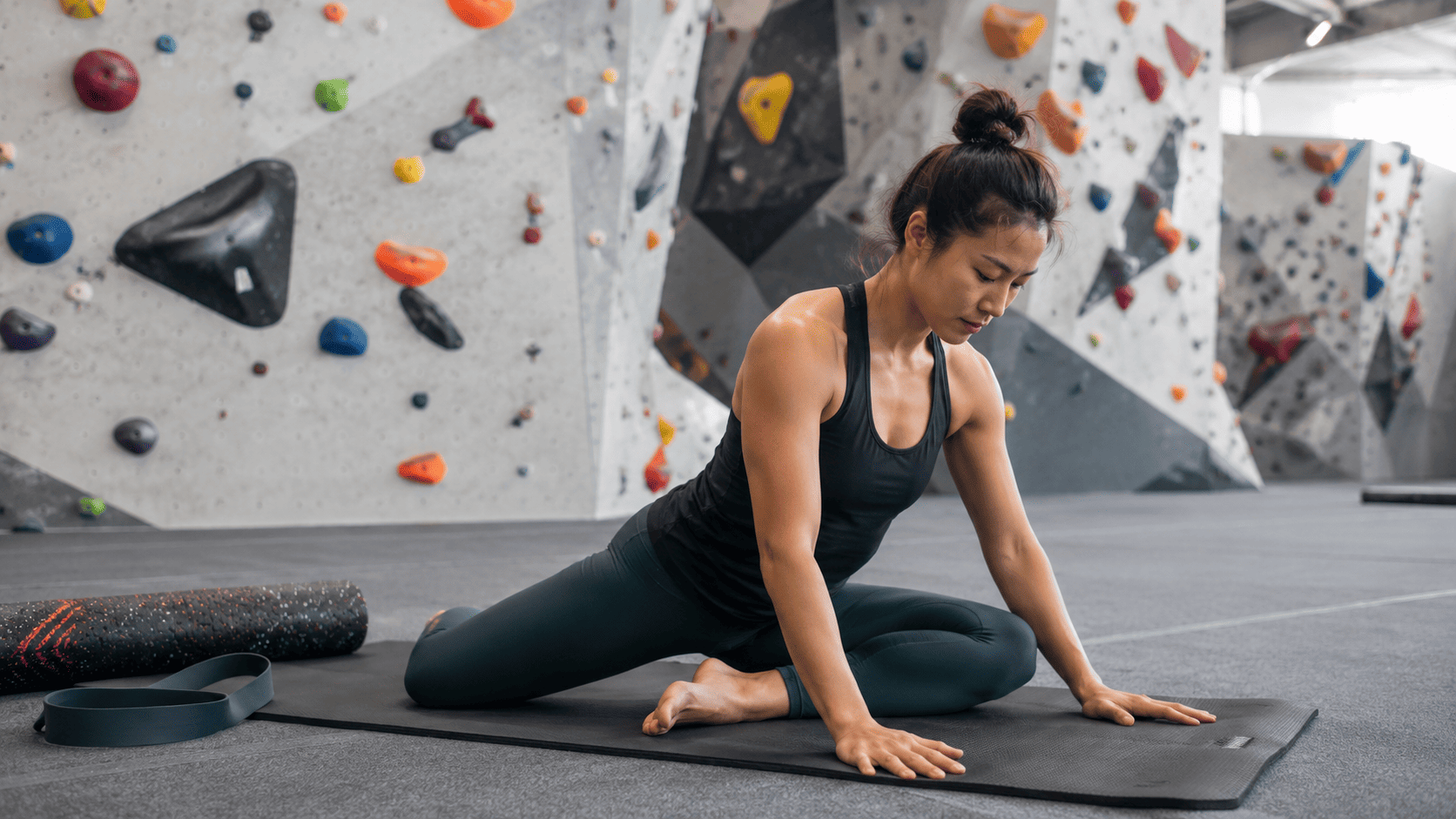
Flexibility is often treated like an optional extra in climbing. It gets pushed to the end of the session, skipped when time is short, and brought back into focus only when a position feels impossible or something starts to feel off. That approach leaves a lot of potential unused.
In climbing, flexibility is not just about being loose or mobile in a general sense. It is about accessing better body positions, staying closer to the wall, and moving with more control when the sequence gets awkward. When trained well, flexibility helps you use the strength and technique you already have more effectively.
That is the key idea behind good flexibility training for climbers. The goal is not to chase random range or collect impressive stretches. The goal is to build range you can actually use on the wall, under tension, when the movement matters.
Why Flexibility Matters In Climbing
Climbing is a sport of positions. Every route and boulder asks you to solve body shapes, manage balance, and apply force from angles that are rarely clean or comfortable. If your hips, shoulders, trunk, or ankles cannot move well enough to support those positions, the climb becomes harder than it needs to be.
You see this most clearly on high steps, drop-knees, heel hooks, toe hooks, and wide stemming positions. Limited flexibility can force you farther from the wall, make footholds feel worse, and turn a controlled movement into a fight. In those moments, the issue is not always strength. Sometimes it is access.
That said, flexibility is not a magic fix. It does not replace technique, finger strength, body tension, or pacing. What it does is expand your movement options and lower the cost of getting into good positions. For climbers trying to move better and perform with more confidence, that matters.
Flexibility Vs Mobility: What Climbers Need To Know
A lot of climbers use flexibility and mobility as if they mean the same thing. In practice, it helps to separate them. Once you understand the difference, your training becomes more focused and more useful.
Flexibility usually refers to passive range of motion. That is the range you can access with outside help, such as gravity, a stretch, or support from another part of your body. Mobility is better thought of as active, usable range. It is the ability to control a position with strength rather than simply reaching it.
Passive Range
Passive range still has value. It can reduce stiffness, improve tissue tolerance, and help you gradually unlock positions that feel restricted. It is especially useful after climbing or on recovery days, when the goal is to restore movement and spend time in deeper ranges without worrying about performance.
But passive range is only part of the picture. You can have a good stretch on the floor and still struggle to use that position on the wall. Many climbers have felt this directly. They can get into the shape in a relaxed setting, but not when they need to trust it on a move.
Active Range
Active range is what transfers best to climbing. This is the ability to lift the foot high and hold it there, to settle into a drop-knee without collapsing, or to keep tension through an open hip position while still producing force. That is the kind of movement the wall actually rewards.
For climbers, the best flexibility training usually blends both ideas. Passive work can help open the door, but active control is what allows you to walk through it. If you want flexibility that shows up in real climbing, active range has to be part of the process.
The Core Principles Of Flexibility Training For Climbers
Climbers do not need endless stretching routines. They need a few principles they can apply consistently. When those principles are in place, flexibility work becomes simpler, more targeted, and much more effective.
Consistency Beats Intensity
The first principle is consistency. A short routine done regularly will usually outperform long, aggressive mobility sessions done once in a while. The body adapts well to frequent exposure, especially when the work is specific and repeatable.
This matters because many climbers wait until they feel especially stiff before doing any flexibility work. By then, the session becomes reactive instead of productive. A better approach is to treat mobility like any other physical quality. Train it often enough that it keeps moving forward.
Train The Ranges You Actually Use
Not every kind of flexibility is equally important for climbers. You do not need to chase extreme range for its own sake. You need enough range to high-step, rotate the hips, trust footholds, move through overhead positions, and stay organized when the movement gets complex.
That is why climbing-specific flexibility always works better than random stretching. When the positions in training reflect the positions on the wall, the transfer becomes much clearer. The goal is useful range, not just impressive-looking range.
Build Strength At End Range
Range without control has limited value. If you can access a position but cannot stabilize it, you will struggle to trust it under pressure. That is where end-range strength comes in. This is the ability to stay strong and organized at the edge of your available motion.
For climbers, that might mean holding a high foot without your body drifting away from the wall. It might mean controlling a heel hook position or keeping tension as the hips rotate into a tight stance. These are not just flexibility demands. They are strength-in-position demands.
Match The Method To The Timing
The last principle is simple but important. Use the right type of flexibility work at the right time. Dynamic mobility and active prep make sense before climbing because they prepare the body to move. Longer static work and deeper stretching fit better after climbing or on recovery days.
This keeps flexibility work aligned with performance instead of competing with it. Good mobility training should support your climbing, not dull it.
The Main Areas Climbers Should Target
A climber can get a lot of return from focusing on a few key regions. These are the areas that show up most often in real climbing positions and create the biggest difference in movement quality.
Hips
The hips are one of the biggest drivers of climbing movement. Hip flexion helps with high steps. Internal and external rotation support drop-knees, open hips, and smoother movement through awkward positions. Adductor flexibility helps with wide stances, stemming, and staying closer to the wall.
When the hips move well, climbing tends to feel more fluid. The athlete can place the foot where it needs to go and use that position without fighting unnecessary restriction. That saves energy and opens better options.
Ankles
Ankle mobility does not always get much attention, but it should. Dorsiflexion affects how well you can rock over the foot, maintain pressure on small footholds, and smear effectively on slabs or volumes. Limited ankles often make feet feel worse than they actually are.
Improving ankle range can have a quiet but powerful effect on climbing. Better foot positions create better body positions, and better body positions usually make the rest of the movement easier.
Hamstrings
Hamstrings matter any time the leg needs to come high or stay close to the body under tension. They influence pike positions, toe hooks, heel hooks, and the ability to stay compact when the terrain gets steep. Tight hamstrings often push the body away from the wall and change leverage in ways that make climbing more expensive.
For many climbers, hamstring work also supports better tension and cleaner movement in roofs and overhangs. It is not just about comfort. It is about function.
Shoulders And Thoracic Spine
Upper-body flexibility matters more than many climbers realize. The shoulders and thoracic spine influence how comfortably you can reach overhead, stabilize wide positions, and move through compression or steep terrain with control. Restrictions here can make you look strong but move stiff.
Good movement through the shoulders and upper back also supports long-term shoulder health. Climbers spend a lot of time pulling and stabilizing. Better range and control in these areas help distribute load more effectively.
Trunk Control
The trunk ties everything together. While people do not always think of the trunk when they think about flexibility, the ability to rotate, organize the ribcage, and hold position under tension matters a great deal on the wall. Better trunk control helps you connect the hands and feet more efficiently.
This is especially important on twisting movement, drop-knees, and complex sequences where body positioning decides whether the move feels steady or unstable. Mobility and control through the trunk help the whole system work together.
The Best Types Of Flexibility Work For Climbers
Different methods serve different purposes. The best climbing programs use more than one type of flexibility work, but they place each method where it makes sense.
Dynamic Mobility
Dynamic mobility is ideal before climbing. It prepares joints and tissues without making the body feel sleepy or overly relaxed. Leg swings, hip circles, shoulder CARs, ankle rocks, and active range drills all fit well here.
The goal before climbing is readiness. You are not trying to force deeper range. You are preparing the positions you will likely need in the session ahead.
Static Stretching
Static stretching fits best after climbing or on recovery days. This is where you can spend longer in positions like frog stretch, pigeon variations, pike work, calf stretches, or chest and lat stretches without worrying about immediate performance.
Used consistently, static work can improve passive range and reduce the sense of stiffness that builds up from regular hard climbing. It works especially well when paired with steady breathing and patience rather than forcing the position.
Contract-Relax Work
Contract-relax methods can be useful when you want a more targeted way to deepen a range. By lightly contracting a muscle before relaxing deeper into the position, many athletes can access a little more range while still feeling in control.
This should still be approached with restraint. The method works best when the effort stays deliberate and measured, not aggressive.
Loaded Mobility And End-Range Strength
For climbers, this is often where flexibility becomes truly useful. Loaded mobility turns range into something functional. Cossack squats, controlled split squats, active leg lifts, and high-step holds all train the body to own the position instead of merely visiting it.
This is where better flexibility starts to show up in actual movement. You are no longer just stretching. You are building strength in the positions climbing demands.
What Most Climbers Get Wrong
A common mistake is chasing passive range without enough control. The climber gets deeper into a stretch and assumes that means better movement is on the way. Sometimes it is. But without strength and coordination in that position, the transfer can be limited.
Another mistake is being too random. A few stretches at the end of a session are not the same thing as a training approach. Climbers get better results when they target the restrictions that actually show up in their climbing rather than doing whatever feels familiar.
Many also ignore ankles and trunk movement while putting all their attention on hips. The hips matter, but climbing positions are built by the whole system. Missing one link can change everything.
How To Structure Flexibility Work Around Climbing
Flexibility training works best when it fits naturally into the week. Before climbing, keep the work dynamic and specific. Use drills that prepare the joints and patterns you are about to use, especially around the hips, ankles, shoulders, and trunk.
After climbing, keep things simple. A short block of static work can help restore range and reduce stiffness, especially after steep or powerful sessions. This is also a good time for light upper-body flexibility work if the shoulders and chest feel restricted.
On rest days, go deeper. This is the best time for more focused lower-body mobility, contract-relax work, or loaded mobility drills that need more attention. It allows you to improve range without competing with the demands of a performance session.
A Simple Weekly Flexibility Framework For Climbers
For a beginner, a short dynamic warm-up before each climbing session and one or two brief recovery-day sessions is usually enough. The focus should stay on quality and consistency, not complexity.
An intermediate climber often benefits from two to four targeted mobility exposures across the week. That might include dynamic prep before climbing, static work after harder sessions, and one dedicated recovery-day routine built around the athlete’s main restrictions.
Advanced climbers can become even more specific. Flexibility work should match current goals, climbing style, and the phase of training. If a project requires high steps, powerful heel hooks, or better overhead positions, mobility work should reflect that.
How Ascend Applies Flexibility Training To Real Climbing Performance
At Ascend, flexibility is not treated like a side task. It is part of a bigger system built around purposeful development. We want climbers to move better, feel stronger in their positions, and have more options available when the climbing gets demanding.
That means we do not chase range just to say it is there. We look at what the athlete needs, what the climbing demands, and where better mobility will create better performance. Sometimes that means improving hip rotation. Sometimes it means better ankle function, stronger high-step positions, or cleaner shoulder movement overhead.
For everyday athletes balancing work, life, and climbing, that approach matters. Training needs to be useful, not decorative. Flexibility work should support the larger goal of progressing with structure and confidence.
How Long Does It Take To Improve Flexibility?
Usually, some changes show up sooner than expected. A few weeks of consistent, targeted work can improve how certain positions feel and how easily you access them. Bigger changes take longer, especially when the restriction has been there for a long time.
The most important factor is regular exposure. Flexibility responds well to short, repeatable work done often enough to matter. You do not need heroic sessions. You need a plan you can stick to.
Over time, the gains become more obvious in how you climb. High feet feel less desperate. Rest positions feel more secure. You stop fighting positions that used to feel unavailable. That is when flexibility training starts to pay off where it counts.
FAQs
What Is The Difference Between Flexibility And Mobility For Climbers?
Flexibility usually refers to passive range of motion, while mobility is active, controllable range. Climbers need both, but mobility tends to transfer more directly to performance on the wall.
Should Climbers Stretch Before Or After Climbing?
Dynamic mobility is usually best before climbing. Longer static stretching and deeper flexibility work are generally better after climbing or on rest days.
How Often Should Climbers Train Flexibility?
Most climbers do well with short, regular sessions two to four times per week. Small amounts done consistently usually work better than occasional long sessions.
What Body Parts Matter Most For Climbing Flexibility?
Hips, ankles, hamstrings, shoulders, thoracic spine, and trunk control are usually the most important. These areas show up repeatedly in high steps, drop-knees, heel hooks, smearing, and overhead movement.
Does Flexibility Help With Climbing Grades?
It can. Better flexibility can improve body positioning, efficiency, and movement options. It will not replace strength or technique, but it can remove restrictions that hold climbing back.
What Is The Best Flexibility Work For High Steps?
Hip flexion work, hip rotation drills, ankle dorsiflexion, and active high-step holds are all valuable. The best approach is usually a mix of mobility and end-range strength.
Do Beginners Need Dedicated Flexibility Training?
Yes, but it does not need to be complicated. A good dynamic warm-up and a small amount of targeted mobility work each week is usually enough to support better movement and long-term progress.
How Do Climbers Build Strength At End Range?
Loaded mobility drills, controlled pauses, active leg lifts, high-step holds, and slow, stable movement practice on the wall all help build strength in the positions climbers need most.
