
Upper Body Strength For Climbers
Upper body strength matters in climbing, but it is easy to misunderstand what that really means. A lot of climbers hear “get stronger” and immediately think of more pull-ups, more reps, and more gym work piled on top of an already full climbing week. Sometimes that helps. Often, it just creates fatigue without improving the positions that actually decide hard moves.
Good upper body training should make you better on the wall. It should help you pull through steep terrain with more control, hold lock-offs longer, stay organized through the shoulders, and keep body tension when the movement gets demanding. If the work does not transfer to climbing, it is not really solving the problem.
At Ascend, we look at upper body strength the same way we look at all performance development: through the lens of purpose, structure, and long-term progress. The goal is not to become impressive in the gym for its own sake. The goal is to build strength that supports better movement, stronger positions, and more confident climbing.
Why Upper Body Strength Matters In Climbing
Climbing is not just about finger strength. It is also about how well you can connect your hands, shoulders, back, and core to the movement you are trying to do. On steep boulders, long sport routes, roofs, compression problems, and powerful sequences, upper body strength becomes one of the main tools that lets you stay in control.
That said, strength is not always the first answer. Many climbers, especially early on, are limited more by movement, footwork, pacing, and body positioning than by their raw pulling ability. If technique is leaking energy everywhere, simply adding more upper body work will not magically fix it.
Still, once the movement base improves, upper body strength starts to matter more. It helps you finish moves instead of stalling in the middle. It lets you hold tension while bringing the feet through. It gives you more options when the route or boulder problem demands a longer lock-off, a stronger compression, or a harder pull between positions.
Do You Need More Upper Body Strength Or Better Technique
This is one of the most important questions a climber can ask. If you are falling because you cannot read sequences, place your feet well, or stay close to the wall, more strength work is not the first priority. The better investment may be climbing more intentionally, refining technique, and learning how to move with less waste.
On the other hand, there are moments when strength really is the limiter. You know the move, you can see the beta, and you can almost get there, but you cannot hold the lock-off long enough to move. Or you cut feet on steep ground because you cannot keep the pull going through the shoulders and back. In those cases, stronger upper body support can change the outcome.
The point is not to choose one forever. It is to know what is holding you back right now. Good training starts with an honest diagnosis. Stronger climbers are not just the ones who work harder. They are the ones who spend their effort on the right quality at the right time.
The Main Upper Body Demands In Climbing
Upper body strength in climbing is not one single quality. It is a combination of several demands, each showing up in different ways depending on style, terrain, and athlete profile.
Pulling Strength
Pulling strength is the most obvious piece. It shows up when you need to move powerfully between holds, keep the body on steep terrain, or drive through big reaches. Vertical pulling ability matters, but so does the ability to apply force while the rest of the body is moving underneath you.
This is why basic pull-up strength can be useful. It gives many climbers a straightforward way to build foundational pulling ability. But climbing is not a perfect pull-up pattern. The positions are more varied, the force directions are less clean, and the body tension demands are much higher.
Lock-Off Strength
Lock-off strength is often more climbing-specific than pure pull-up volume. Being able to hold a position with control while you adjust feet, reach with one hand, or settle the body can make a huge difference on real climbs. A climber who can lock off well often looks smoother because they have more time and more control in the middle of hard movement.
This quality matters on steep sport routes, technical boulders, and any terrain where moving statically is more efficient than cutting loose and hoping it sticks. If you constantly feel rushed once you pull in, lock-off strength may be one of the missing pieces.
Scapular Strength And Shoulder Control
The shoulders do a lot more than most climbers give them credit for. Scapular control helps you initiate pulling efficiently, stay stable when one arm is loaded, and transfer force through the upper body without collapsing into poor positions. Strong shoulders are not just about muscle size. They are about organization and control.
This matters even more as the climbing gets harder. Small technical losses through the shoulder become bigger energy leaks over time. Good scapular strength supports stronger pulling, healthier mechanics, and better durability across a full season of training and climbing.
Upper Body Endurance
Not every climb is decided by peak strength. Some are decided by whether you can keep producing useful force over and over again. Upper body endurance matters when the route is long, the rests are poor, or the crux comes after the arms are already tired.
This is where many climbers get confused. They train only for maximum pulling strength, then wonder why they still fade badly on longer efforts. Strength is important, but repeatable strength matters too. The body has to keep working after the first hard pull.
The Best Upper Body Exercises For Climbers
The best exercises are the ones that address these demands without turning off-wall training into its own disconnected system. They should be useful, measurable, and worth the fatigue they create.
Pull-Ups
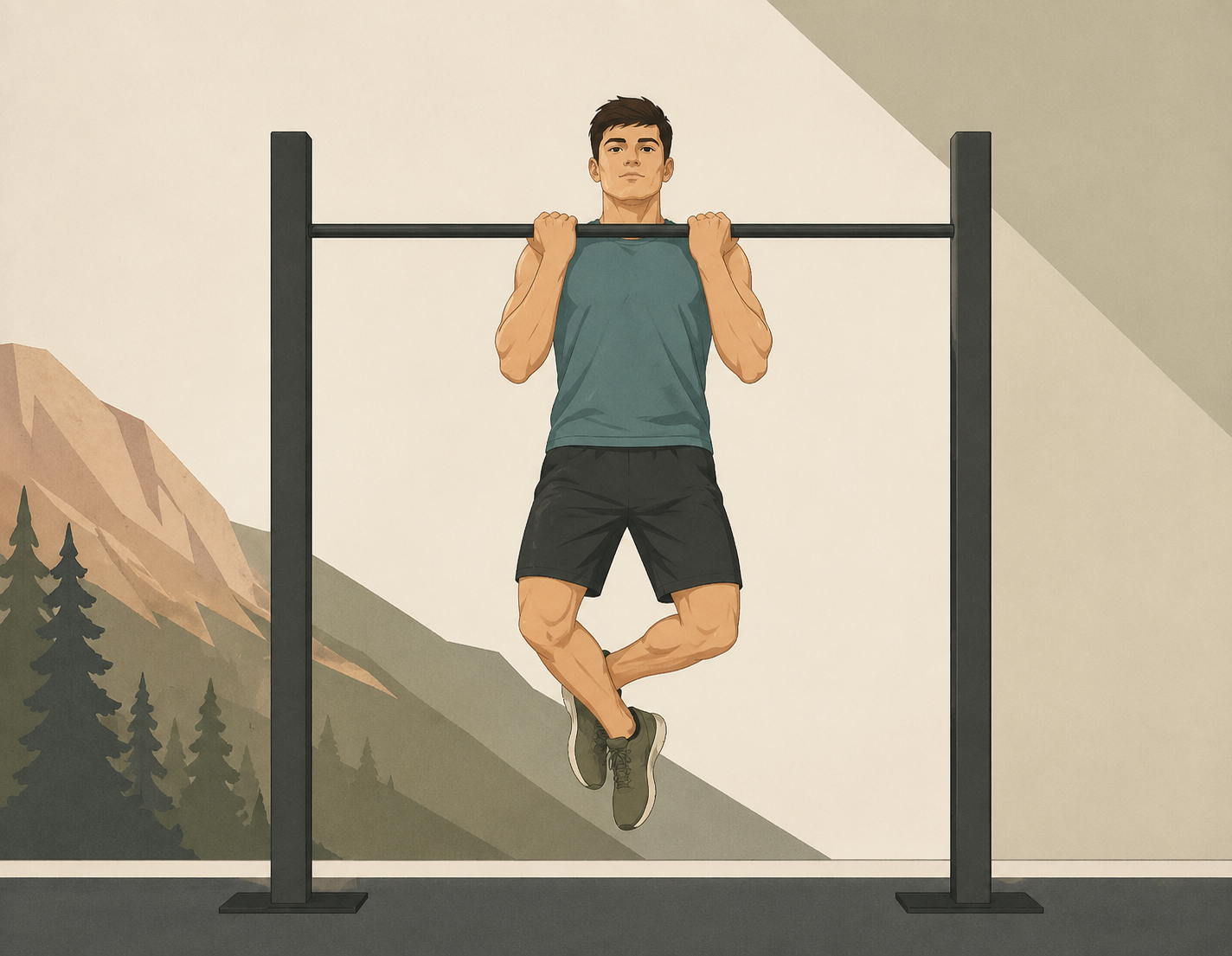
Pull-ups are still one of the most valuable exercises for climbers when used with purpose. They build basic vertical pulling strength, they are easy to scale, and they create a simple benchmark for progression. Strict pull-ups, weighted pull-ups, and controlled negatives all have a place depending on the athlete.
The mistake is making pull-ups the whole program. Plenty of climbers get stuck chasing higher rep numbers that do not change much on the wall. Pull-ups are a tool. They are not the entire answer.
Lock-Off Holds
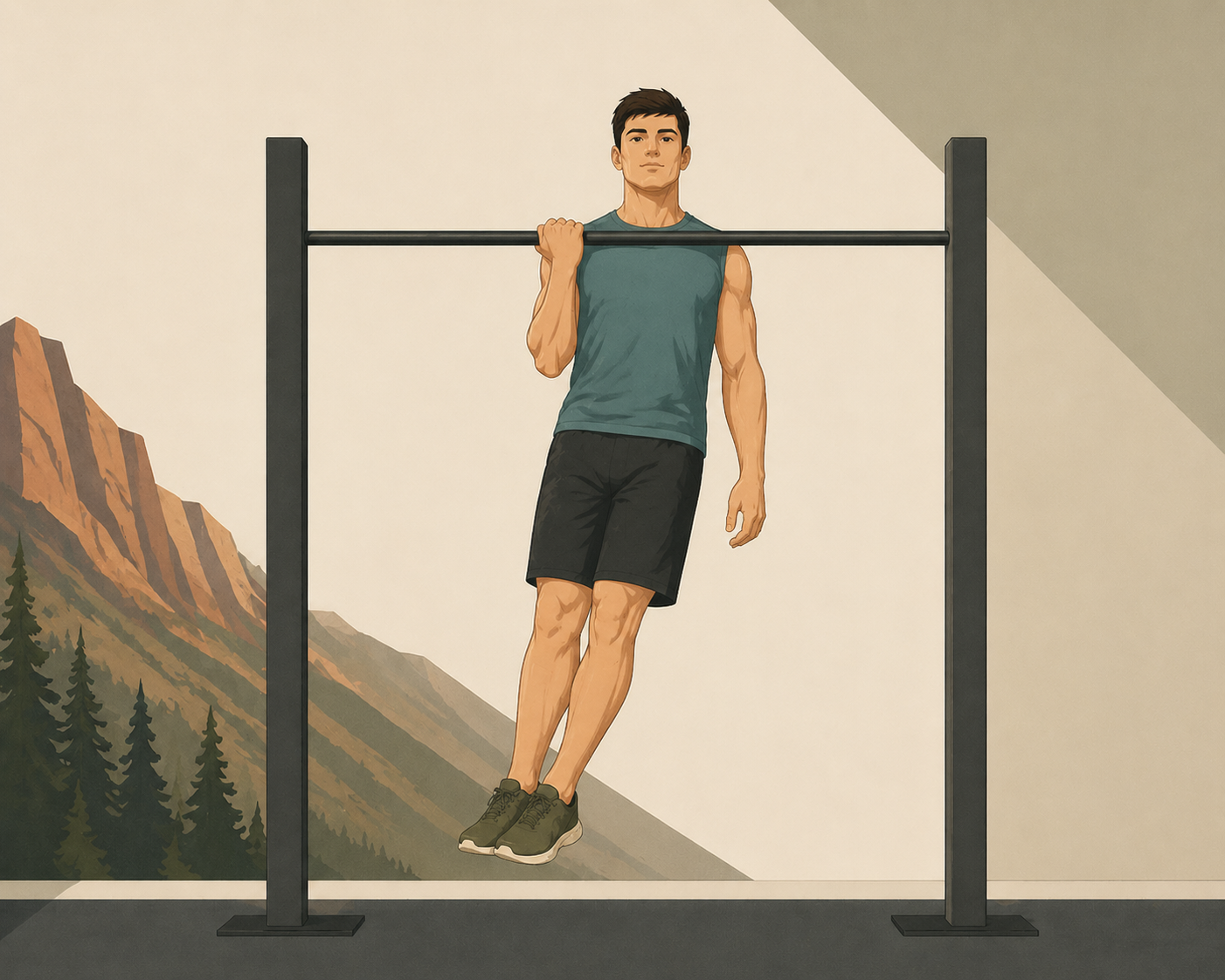
Lock-offs deserve more attention than they usually get. Isometric holds at different elbow angles can build the specific kind of strength that helps you stay composed in climbing positions. They teach you to own the middle of the movement instead of only the start and finish.
These are especially useful for climbers who can do pull-ups but still struggle to pause and move with control on steep ground. The transfer to climbing is often obvious because the position itself is so familiar.
Scapular Pull-Ups
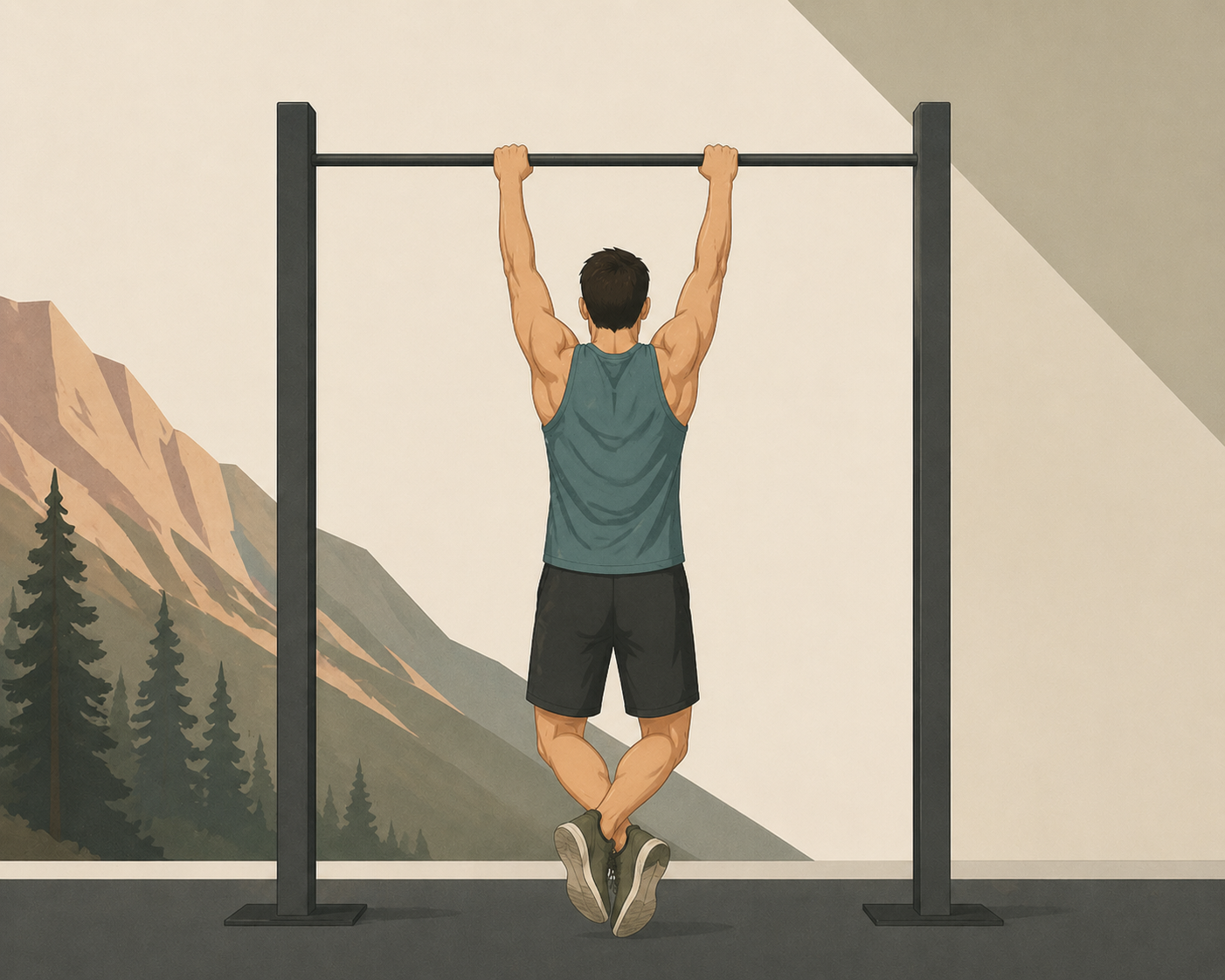
Scapular pull-ups are less flashy, but they are a strong foundation. They help athletes learn how to engage the shoulder girdle, initiate pulling better, and stay more organized when the arms are loaded. For climbers with unstable shoulders or inconsistent pulling mechanics, this work matters.
They also make many other exercises better. When the scapula moves well and supports force properly, pull-ups, lock-offs, and general climbing movement tend to clean up.
Row Or Inverted Row
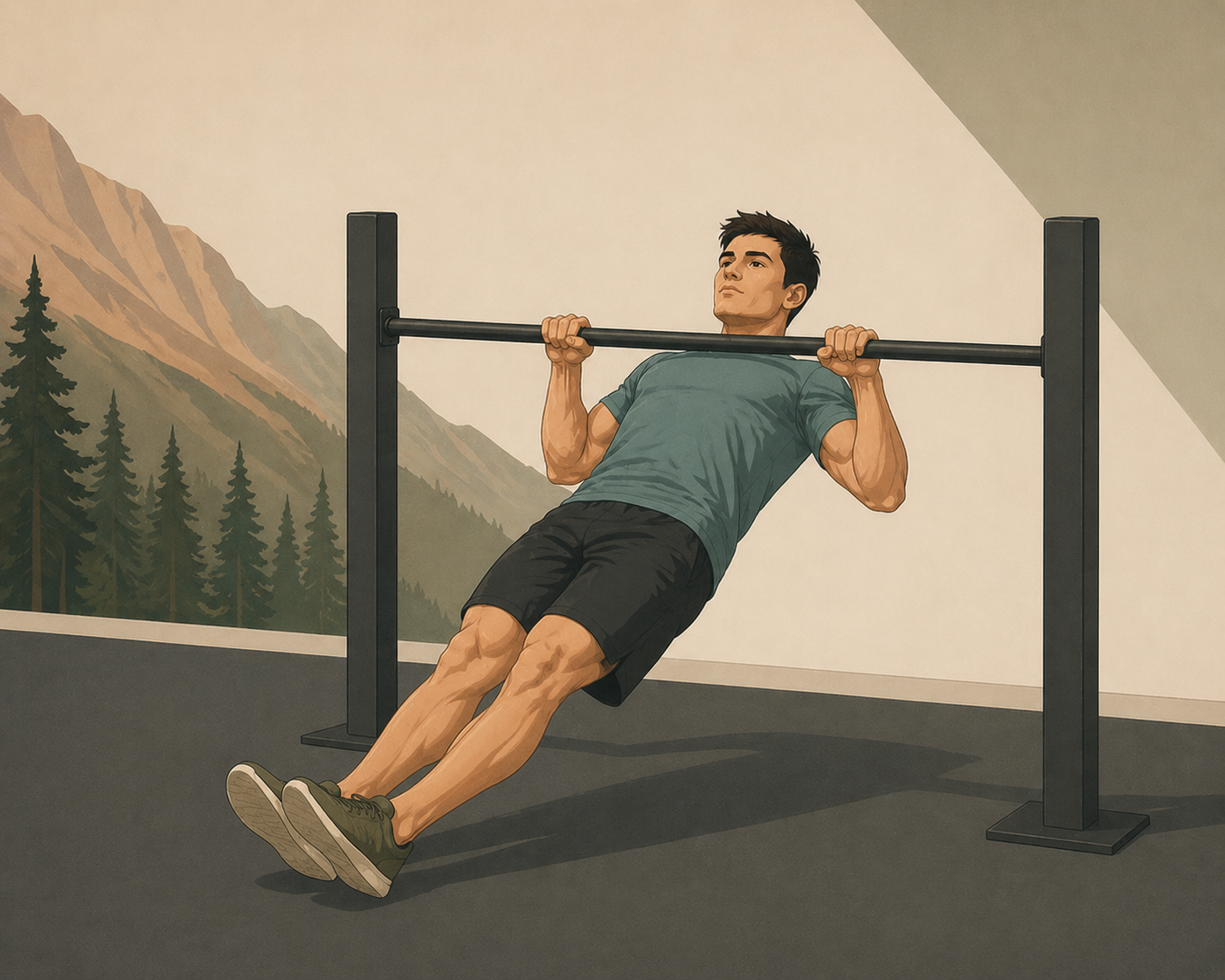
Rows and inverted rows build horizontal pulling strength that many climbers are missing. Pull-ups are vertical. Climbing is not always that simple. A stronger upper back and better scapular retraction improve posture, shoulder balance, and control when the body is under tension.
Inverted rows are especially useful because they are accessible, easy to scale, and highly controlled. Dumbbell rows, ring rows, and bar rows can all work. The key is to use them to strengthen the upper back in a way that supports better shoulder mechanics, not just bigger arms.
Active Hang Or Dead Hang Progression
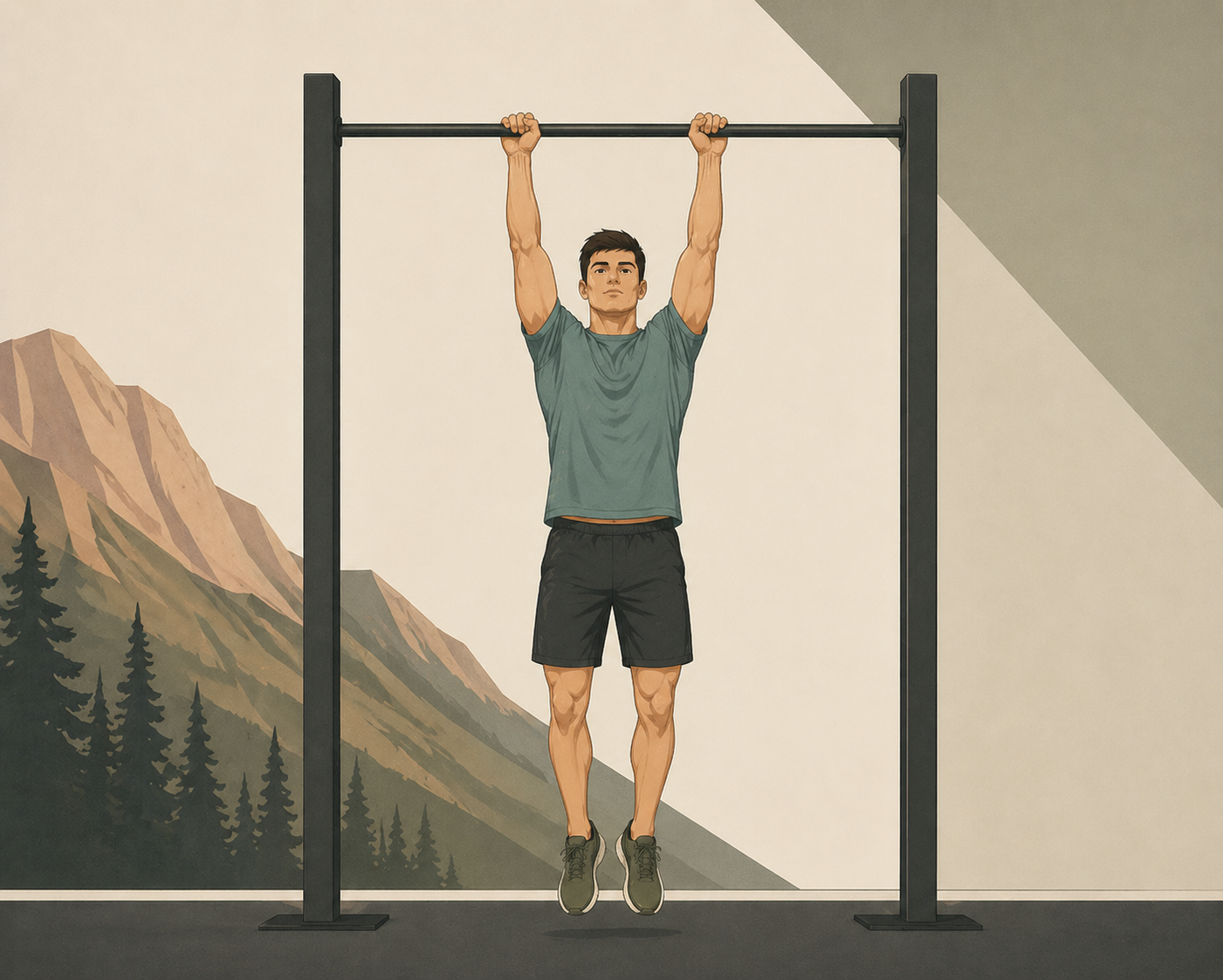
Active hangs and dead hang progressions are valuable foundational tools. They help climbers learn how to support bodyweight through the shoulders, organize tension while hanging, and build awareness of what a strong start position feels like. For athletes who are not ready for strict pull-ups, this is often the right place to begin.
These hangs should not replace more direct strength work forever, but they are a useful bridge. A controlled active hang teaches better scapular positioning, while a dead hang progression can build confidence and tolerance in the hanging pattern itself.
Assisted Pull Up Or Band Progression
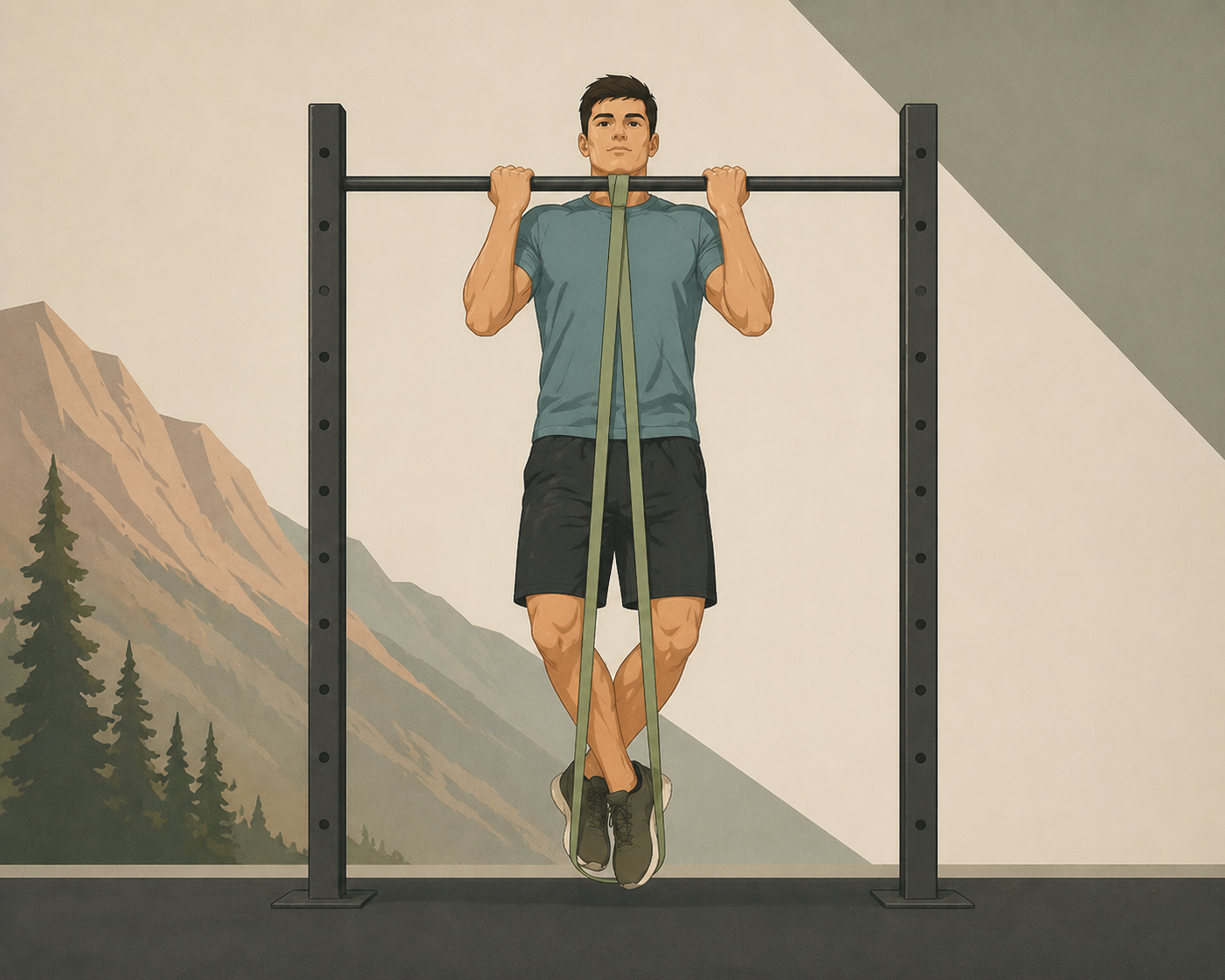
If you cannot yet do strong strict pull-ups, assisted pull-ups and band progressions are not a compromise. They are good training. They let you build the pattern with cleaner mechanics, better range, and enough support to keep the shoulders working well.
This is a smarter approach than forcing ugly reps. Assisted work gives many climbers the consistency they need to actually progress. Band-assisted pull-ups, foot-supported pull-ups, and slow eccentrics can all move an athlete toward full strength without wasting effort.
Push Up For Antagonist Strength
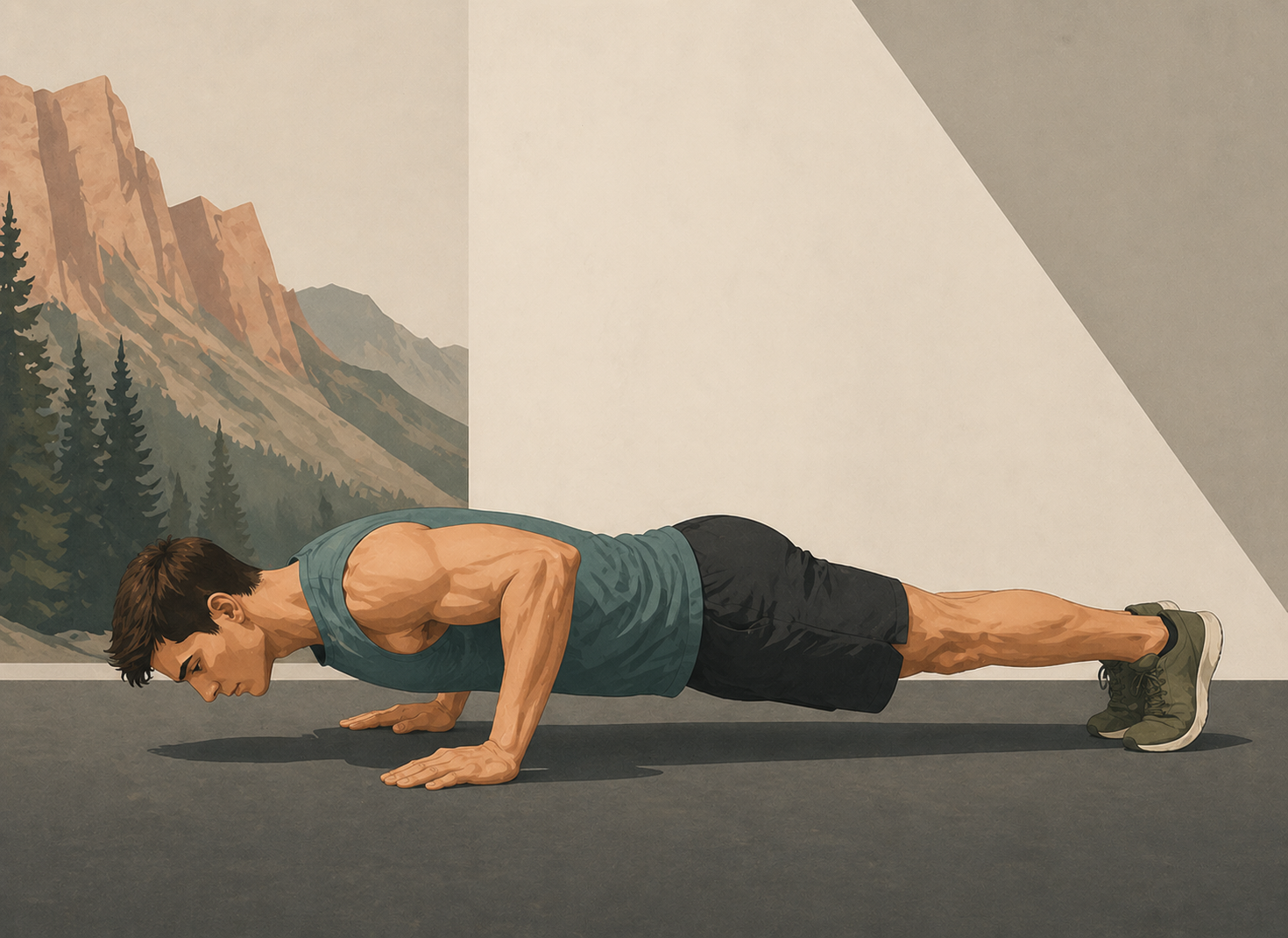
Push-ups matter because climbers already spend so much time pulling. A small amount of pressing work helps balance the upper body, supports shoulder function, and creates a stronger base for all the pulling work you are already doing. That is why push-ups deserve to be in the conversation.
They do not need to dominate the program, but they should not be ignored either. Strong antagonist support can improve resilience and help climbers tolerate training better over time. That matters if the goal is long-term progress instead of short bursts followed by breakdown.
Band Pull Apart Or Shoulder Prep
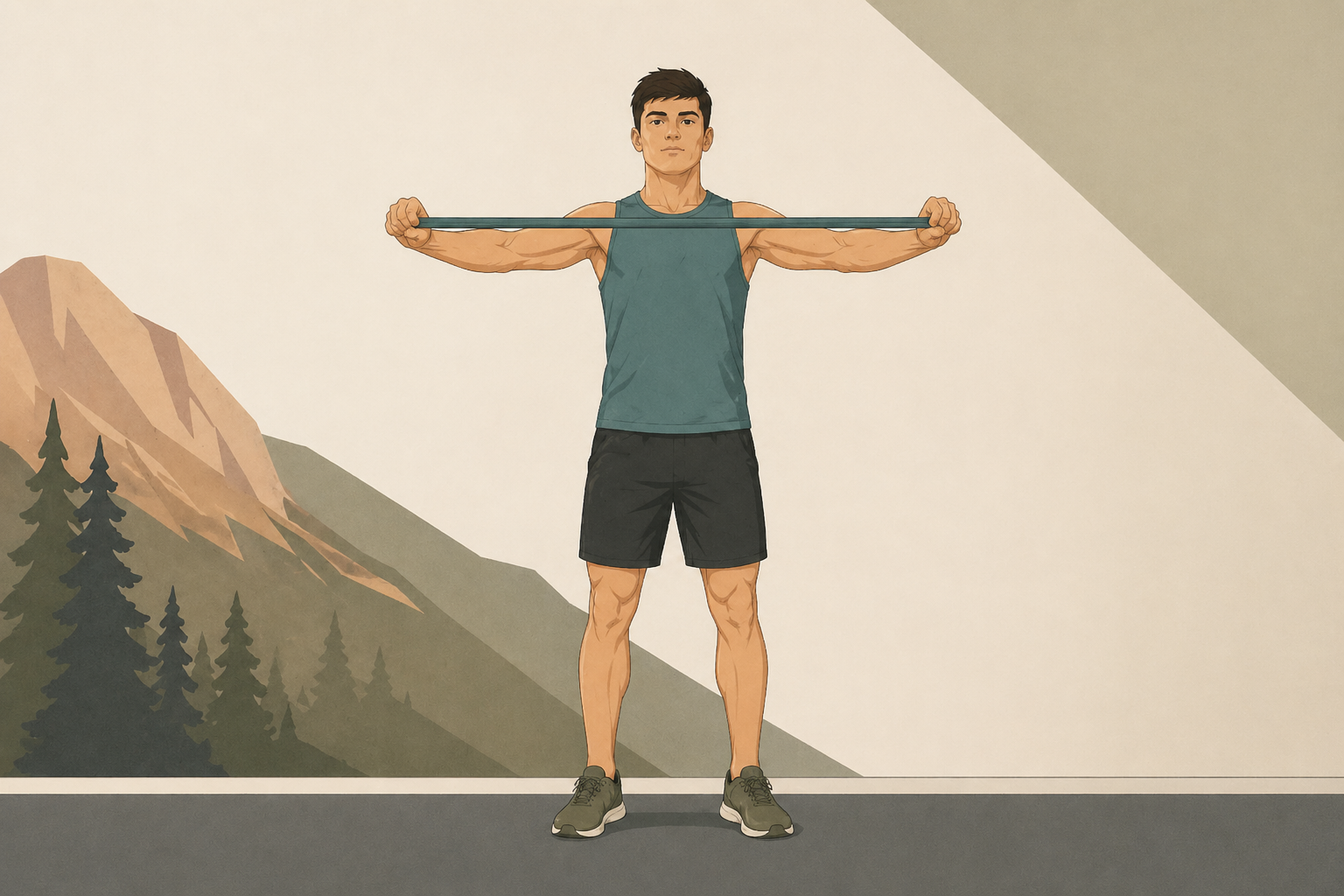
Band pull-aparts are one of the simplest ways to train shoulder prep and upper-back support. They help activate the rear shoulders, mid-back, and scapular stabilizers, which can be especially useful before climbing or before upper body strength work.
This is not a max-strength exercise, and it does not need to be. Its value comes from improving posture, reinforcing better shoulder positioning, and supporting cleaner mechanics in the larger movements that follow.
External Rotation Or Rotator Cuff Work
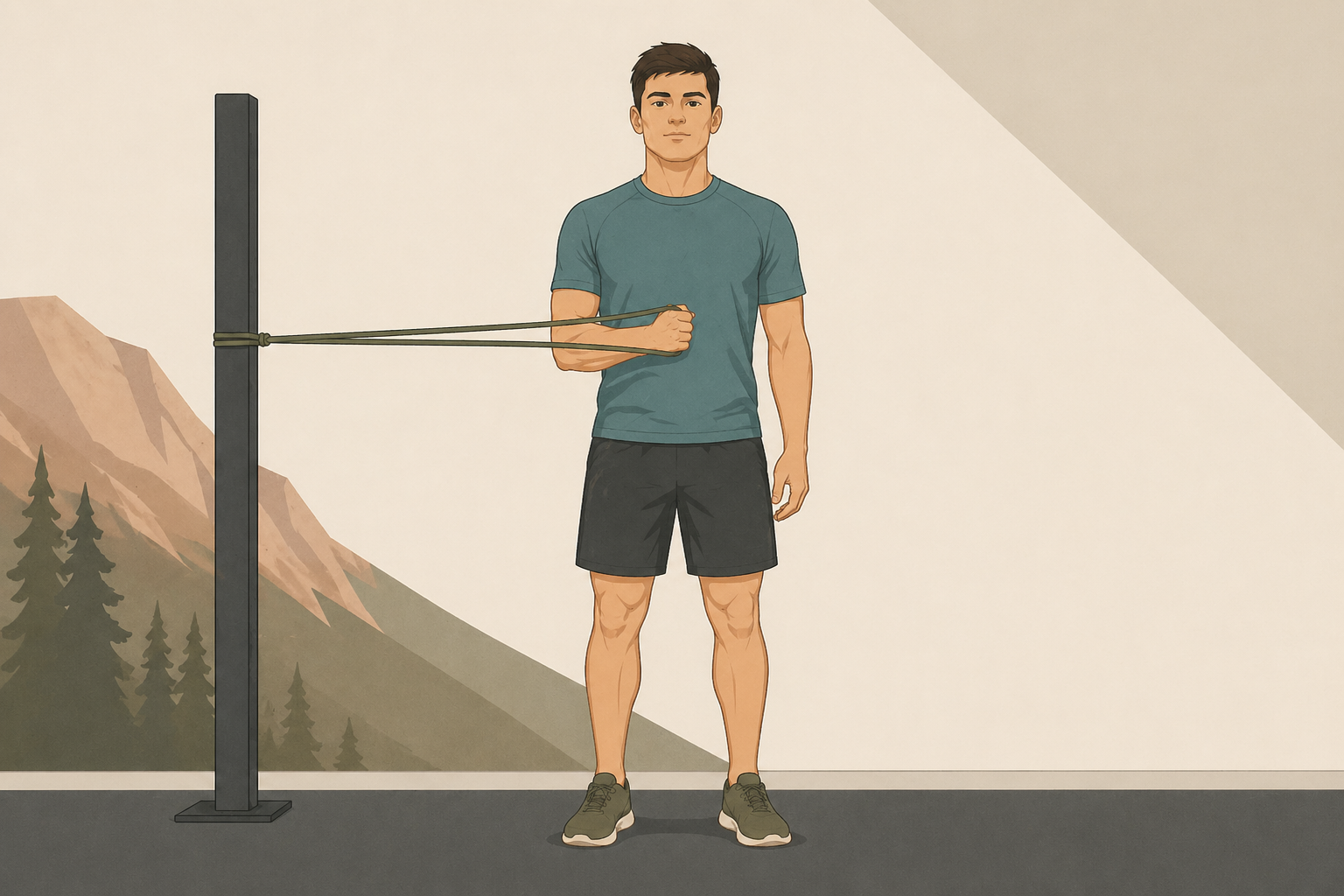
External rotation drills and rotator cuff work are accessory exercises, but important ones. Climbers put a lot of repetitive stress through the shoulders. Small stabilizing muscles need enough strength and endurance to help keep the joint centered and working smoothly.
This work is not exciting, but it is one of the reasons a shoulder can stay reliable through months of pulling, hanging, and climbing. Used consistently, it helps support better mechanics and better durability.
How These Exercises Work Together
The best upper body plan for climbers usually includes both primary strength work and supporting work. The primary movements build the qualities most likely to transfer directly to the wall. The supporting movements help the shoulders and upper back stay balanced enough to handle that load.
A simple way to think about it is this:
Main Strength Builders: Pull Up, Lock Off Hold, Scapular Pull Up, Row Or Inverted Row, Assisted Pull Up Or Band Progression
Support And Preparation Work: Active Hang Or Dead Hang Progression, Push Up For Antagonist Strength, Band Pull Apart Or Shoulder Prep, External Rotation Or Rotator Cuff Work
That balance matters. Too many climbers do only the first group and then wonder why the shoulders feel cooked, unstable, or inconsistent. The support work is what keeps the main work sustainable.
Matching The Exercise To The Weakness
If you struggle to pull through steep terrain, your best return may come from pull-ups, assisted pull-up progressions, and rows. These build the basic pulling force and upper-back support that help the body stay connected when footholds get worse and the hands need to do more.
If you can pull well but cannot hold positions long enough to move calmly, lock-off holds usually deserve more attention. This is a common gap. The climber has strength, but not enough control in the middle of the movement.
If your shoulders feel unstable or noisy, scapular pull-ups, band pull-aparts, and external rotation work may be more important than adding more hard reps. Many athletes try to solve unstable shoulders by simply getting tougher. Most of the time, they need better organization first.
If you cannot do a clean strict pull-up yet, use active hangs, assisted pull-ups, and slow negatives to build the pattern. That path is often more effective than trying to muscle through poor reps that reinforce bad mechanics.
How To Fit Upper Body Strength Into A Climbing Week
This is where many good ideas go wrong. Climbers hear that upper body training matters, then stack it on top of hard climbing without changing anything else. Soon, every week has steep climbing, board climbing, finger work, pull-ups, and shoulder fatigue with no real room to absorb the work.
For most climbers, one or two focused upper body sessions each week is enough. Beginners often need less, because regular climbing still provides a lot of adaptation. Intermediate climbers usually benefit from a little more structure. Advanced climbers need the most precision, because the total load of hard climbing is already high.
A simple model works well. Put your main pulling strength work on a day when you can still perform it with quality. Use support work like band pull-aparts and external rotations as warm-up or low-fatigue additions. Keep the upper body training there to serve the climbing week, not bury it.
What Most Climbers Get Wrong
The first mistake is doing more work without identifying the real weakness. If the issue is shoulder control, more pull-up reps may not solve much. If the issue is lock-off strength, random gym circuits may just add fatigue.
The second mistake is making every exercise hard. Not everything in the program should feel like a max effort. Support work exists for a reason. Band pull-aparts, push-ups, and external rotation drills do not need to leave you destroyed to be useful.
The third mistake is letting off-wall strength work drift too far from climbing purpose. The best upper body training for climbers is not the most impressive-looking program. It is the one that makes movement on the wall stronger, smoother, and more repeatable.
How Ascend Approaches Upper Body Strength
At Ascend, upper body work is never just about chasing numbers. We use it to support better climbing positions, better control, and better long-term development. That means choosing exercises based on what the athlete actually needs, not what looks hardest on paper.
Some climbers need a stronger pull-up foundation. Some need better lock-offs. Some need healthier shoulder mechanics so they can handle training consistently. The answer is rarely all-out volume on every exercise. It is usually a smaller, more intentional plan that fits the athlete and the season.
That is how useful strength gets built. Purpose first. Structure second. Progress over time.
FAQs
Are Pull Ups The Best Exercise For Climbers?
They are one of the best foundational exercises, but not the only one. Climbers also benefit from lock-off work, scapular pulling, rows, and shoulder support exercises.
What If I Cannot Do A Pull Up Yet?
Start with active hangs, assisted pull-ups, band progressions, and slow eccentrics. Build the pattern with good form before chasing full strict reps.
Are Lock Off Holds Better Than Pull Ups?
Not always, but they are often more specific to the positions climbers need to control. They are especially useful when you can pull, but struggle to pause and move calmly.
Why Do Climbers Need Rows?
Rows build upper-back strength and shoulder balance. They complement vertical pulling and help support better posture and scapular control.
Do Push Ups Help Climbers?
Yes. Push-ups train antagonist strength and help support healthier shoulders. They are not the main climbing strength exercise, but they are a valuable part of a balanced program.
How Often Should Climbers Train Upper Body Strength?
For many climbers, one or two focused sessions per week is enough. The right amount depends on climbing volume, recovery, and training age.
Is Shoulder Prep Really Necessary?
Yes. Band pull-aparts, scapular work, and external rotation drills help keep the shoulders organized and more resilient under climbing load.
Should I Do Support Work Even If It Feels Easy?
Yes. Support work is there to improve mechanics and durability, not just to create fatigue. Easy does not mean unimportant.
Final Thoughts
Upper body strength can absolutely improve climbing, but only when it is built with purpose. Pull-ups matter. Lock-offs matter. Rows matter. Shoulder prep and rotator cuff work matter too. The strongest climbers are usually not the ones doing the most random upper body exercises. They are the ones doing the right ones, in the right amount, at the right time.
Build strength that helps you move better. Build support that keeps the shoulders reliable. Keep the plan simple enough that it still leaves room to climb well. That is how upper body training actually pays off on the wall.
